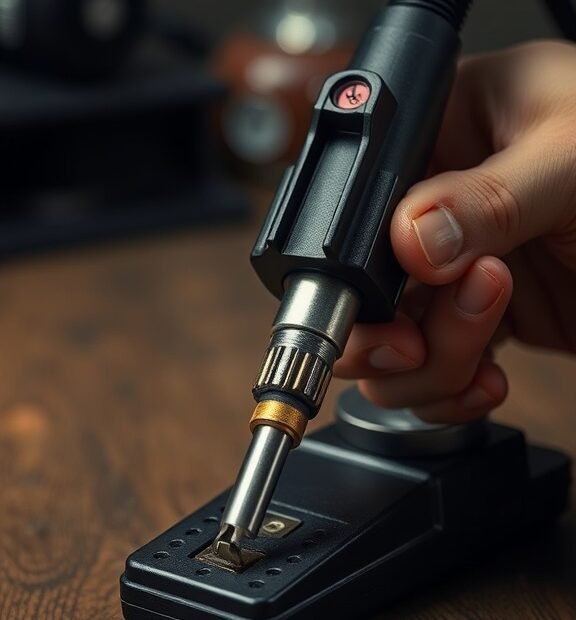
How to Choose a Soldering Iron for Various Projects
Choosing the right soldering iron for your projects can make a world of difference in achieving clean and effective solder joints. Whether you are a novice looking to pick up a new hobby or a seasoned pro tackling advanced electronic repairs, selecting the right tool is essential. Here’s how to navigate through the options and find the perfect soldering iron for your needs.
Understand the Types of Soldering Irons
Before diving into the features, it’s important to know the types of soldering irons available:
- Basic Soldering Iron: This simple model offers a fixed temperature, making it ideal for general use and lighter projects.
- Temperature-Controlled Soldering Iron: A more versatile option, this type allows you to adjust the heat, making it suitable for a wider range of materials.
- Soldering Station: A complete setup that includes a soldering iron and a base with adjustable temperature. This is great for advanced projects as it provides greater control.
- Battery-Powered Soldering Iron: Perfect for portability, these are useful for outdoor projects where access to power may be limited.
Key Features to Consider
When choosing a soldering iron, consider several important features:
Soldering Stations | Easy 60 Day Return
- Wattage: Higher wattage means faster heat-up times and the ability to maintain temperature more effectively during heavy work. Look for soldering irons between 20 and 80 watts depending on your needs.
- Tip Size and Shape: Various projects require tips of different sizes and shapes. Fine tips are perfect for detailed work like circuit boards, while broader tips are more suited for larger connections.
- Temperature Control: Adjustable temperature settings let you tailor the heat for the materials you are working with. This is especially important for soldering sensitive electronics.
- Ergonomics: Comfort is key during long soldering sessions. A lightweight design with a comfortable handle will help prevent fatigue.
- Heat-Up Time: A soldering iron that heats up quickly saves you time, particularly if you work on multiple projects.
Matching the Iron to Your Projects
Different projects have different requirements, so consider what you’ll be using the soldering iron for:
- Electronics Repairs: For fixing electronics, a temperature-controlled soldering iron with a fine tip is your best bet. This allows you to work precisely without damaging components.
- Craft Projects: If you are focusing on crafts, a basic soldering iron may suffice. However, if you plan to work with various materials, invest in a model with adjustable temperature settings.
- Jewelry Making: Fine details are important in jewelry, so opt for an iron with a smaller tip and good temperature control.
- Heavy-Duty Work: For tasks like metalworking, a soldering station with higher wattage will help you manage larger solder joints easily.
Safety Features are Crucial
When selecting a soldering iron, don’t overlook safety features:
Soldering Stations | Easy 60 Day Return
- Stand or Holder: A sturdy stand is essential for preventing burns and ensuring that the iron is safely stored when not in use.
- Automatic Shut-Off: Some modern soldering irons come with an automatic shut-off feature that turns the device off after a period of inactivity — a great safety measure for forgetful users.
Budget Considerations
Soldering irons can vary widely in price, from as little as $10 to several hundred dollars for advanced models. Consider what you can afford while ensuring you don’t sacrifice quality. A good mid-range soldering iron can be acquired for between $30 and $50, striking a good balance between functionality and cost.
Read Reviews and Test Before Buying
Before making your purchase, take the time to read user reviews and, if possible, test out different models. This will give you first-hand experience with their weight, comfort, and usability. You can also gain insights from other users about their effectiveness in specific projects.
Soldering Stations | Easy 60 Day Return
By understanding the types, essential features, and safety considerations, you can select a soldering iron that suits your specific needs. With the right tool in hand, you’ll be able to tackle any project with confidence and skill!
Essential Tips for Maintaining Your Soldering Iron
Maintaining your soldering iron is crucial for achieving the best results in your electronics projects. By keeping your tool in good shape, you’ll not only prolong its lifespan but also enhance your overall soldering experience. Here are some essential tips that will help you maintain your soldering iron effectively.
Keep the Tip Clean
The tip of your soldering iron is its most important component. It must be kept clean to ensure proper heat conduction and successful soldering. Here are some effective methods to clean the tip:
Soldering Stations | Easy 60 Day Return
- Sponge Method: Dampen a sponge and wipe the hot tip on it while the iron is heated up. This will remove any excess solder and contaminants.
- Brass Wool: Use brass wool for a non-abrasive cleaning option. This will effectively remove oxidation without damaging the tip.
- Tip Tinner: A tip tinner can help restore oxidation on the tip, making it easier to solder. Simply heat the iron and dip it into the tinner to bring it back to life.
Regularly Tin the Tip
Tinning is the process of coating the tip with solder to protect it from oxidation. After cleaning the tip, it’s essential to apply a small amount of solder while the iron is hot. This not only protects the tip but also ensures more reliable soldering. Make it a habit to tin the tip after each session, and you’ll see a noticeable difference in performance.
Store Your Soldering Iron Properly
How you store your soldering iron can have a major impact on its condition. When storing, always use a soldering iron stand to prevent the tip from touching any surface. Avoid placing the hot iron on wooden surfaces or cloth, as the heat can damage them and cause safety hazards. If you need to leave your soldering iron unattended for a short period, use a heat-resistant surface to set it down safely.
Soldering Stations | Easy 60 Day Return
Inspect for Damage
Make it a routine to check your soldering iron for any signs of damage. Look closely at the tip, wire, and the power cord. If you notice any frayed wires or corrosion, it’s crucial to address these issues immediately. A damaged soldering iron can lead to poor performance and can be a safety hazard. If repairs are needed, consider consulting a professional or replacing the iron if it’s beyond simple fixes.
Adjust Temperature Settings
Using the correct temperature is vital for successful soldering. If your iron is too hot, it can damage sensitive components. Conversely, if it’s not hot enough, solder won’t flow properly. Always adjust the temperature according to the materials, and keep a thermometer handy to check the heat settings if your unit does not have a built-in display. Typically, a temperature range of 350°C (662°F) to 400°C (752°F) is suitable for most soldering applications.
Soldering Stations | Easy 60 Day Return
Use Quality Solder
The type and quality of solder you choose can also affect the maintenance of your soldering iron. Opt for solder that contains flux, as this will help clean the surfaces of the components being soldered, resulting in a better bond. Lower-quality solder can leave behind residue, leading to a buildup that can harm the tip of your soldering iron. When working on delicate electronics, be sure to use a solder that meets industry standards.
Keep a Maintenance Schedule
Set up a regular maintenance schedule for your soldering iron. By marking periods on your calendar, you can ensure that cleaning, inspecting, and testing becomes a habit rather than a chore. Consistent maintenance will not only improve your soldering results but will also extend the life of your tool.
Soldering Stations | Easy 60 Day Return
By following these essential tips, you can ensure that your soldering iron remains in top shape. Maintaining this critical tool will not only enhance your work quality but will also make your soldering experience more enjoyable. Remember, a little bit of care goes a long way!
Conclusion
Choosing the right soldering iron is essential for successfully completing your projects, whether you’re working on electronics, jewelry, or crafts. By understanding the different types, temperature controls, and wattage needs, you can find an iron that aligns with your specific requirements. Remember, a soldering iron that suits your project will not only help achieve better results but will also enhance your overall experience.
Equally important is maintaining your soldering iron. Regular cleaning and proper storage can extend the lifespan of your tool significantly. After each use, ensure that you clean the tip to prevent oxidation and improve thermal conductivity. This simple habit can lead to cleaner, more precise soldering. Additionally, always store the iron in a safe and dry environment to avoid damage to its elements.
Soldering Stations | Easy 60 Day Return
Investing time in selecting the right soldering iron and maintaining it will pay off in the quality of your work and the efficiency of your projects. With the right approach, you can tackle any soldering task with confidence, ensuring that each connection is strong and reliable.
Embrace the art of soldering by choosing wisely and caring for your tools—your projects will thank you! Happy soldering!