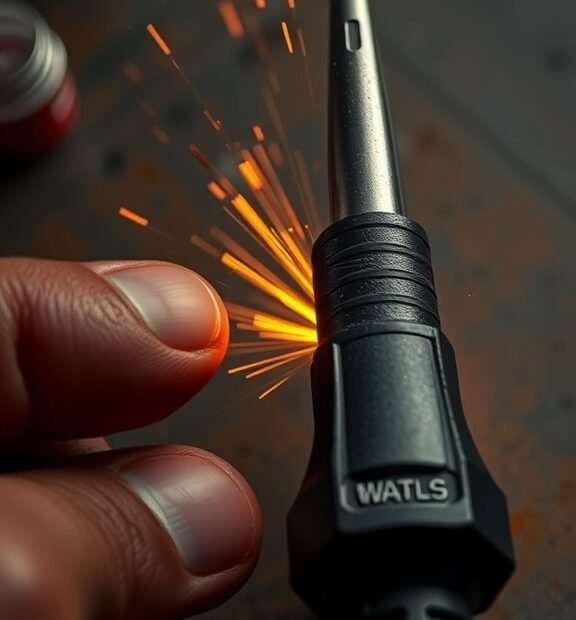
Calibrating Your Soldering Iron: Step-by-Step Guide
Calibrating your soldering iron is essential for achieving optimal results in your electronics projects. Whether you’re a beginner or a seasoned pro, understanding how to calibrate your soldering iron will significantly improve your soldering quality and efficiency. This guide presents a step-by-step approach to ensure your soldering iron works perfectly for all your soldering needs.
Understanding Soldering Iron Calibration
Calibration involves adjusting your soldering iron to achieve the correct temperature for soldering applications. An inaccurately calibrated soldering iron can lead to cold joints, burnt components, or other issues. Knowing how to calibrate not only saves you time but also enhances the durability of your work.
What You Will Need
- Soldering iron
- Temperature measurement tool (thermocouple or infrared thermometer)
- Soldering station with adjustable settings (if available)
- Wire and components for testing
- Cleaning sponge or brass wool
Step-by-Step Calibration Process
Step 1: Prepare Your Workspace
Set up a clean, well-lit workspace to avoid any accidents. Ensure all your tools are within reach, and make sure your soldering iron is unplugged while setting everything up.
Step 2: Clean the Soldering Iron Tip
Before you calibrate, ensure your soldering iron tip is clean. Use a damp sponge or brass wool to wipe the tip thoroughly. A clean tip heats up faster and provides more accurate temperature readings.
Step 3: Check Your Soldering Iron’s Settings
If you are using a soldering station, set it to a medium temperature, around 350°C (662°F), which is a common working temperature for most soldering tasks. If your soldering iron is not adjustable, you can skip this step.
Step 4: Measure the Temperature
Once your soldering iron heats up, use a temperature measurement tool to check the actual temperature of the soldering tip. Touch the tip of the tool against the iron. Wait for a few moments to get an accurate reading.
Step 5: Compare and Adjust
Compare the measured temperature with the required temperature setup. If there’s a difference:
- If the measured temperature is lower, increase the soldering iron’s temperature.
- If it’s higher, decrease the temperature setting.
Step 6: Retest the Temperature
Allow the soldering iron a few moments to reach the adjusted temperature before taking another reading. Repeat this process until the measured temperature matches your desired setting.
Step 7: Test Your Soldering Skills
Once calibrated, it’s a good idea to test the soldering iron. Use some wire and components to create a small solder joint. Check for quality—ensure the solder flows evenly and adheres well to the components. Successful soldering is a sign that your calibration was effective.
Tips for Maintenance
To keep your soldering iron in optimal condition, consider the following:
- Always clean the tip after each use to prevent oxidation.
- Store the soldering iron upright when not in use.
- Regularly check for overheating issues or inconsistencies in temperature.
Common Calibration Issues
If you find that your soldering iron still isn’t performing well after calibration, consider these factors:
- Check if the soldering iron tip is worn out and needs replacement.
- Ensure the power supply is stable, as fluctuations can affect temperature.
- Inspect the soldering iron for internal damage, which may require professional repair.
By following this guide on how to calibrate your soldering iron, you are now better equipped to produce high-quality solder joints and enhance your electronics projects. Regular calibration will not only improve your skills but also extend the life of your soldering iron, enabling you to tackle complex soldering tasks with confidence.
Common Mistakes in Soldering and How to Avoid Them
Soldering can be a rewarding skill, particularly when working on electronics projects. However, there are common mistakes that many people fall into, especially those new to the craft. Understanding these pitfalls and learning how to avoid them can help you create stronger and more reliable connections.
Mistake 1: Not Preparing the Surface
One of the first steps in soldering is ensuring that the surfaces you plan to join are clean. Dirt, grease, or oxidation can prevent solder from adhering properly. To avoid this mistake:
- Clean the area with isopropyl alcohol and a lint-free cloth.
- Use a soldering iron to melt away any oxidation before applying solder.
Mistake 2: Using the Wrong Solder Type
The type of solder you choose matters greatly. Different solder types work better for different applications. To avoid choosing the wrong solder:
- Use rosin-core solder for electronics. It contains a flux that helps clean the surfaces as you solder.
- Avoid lead-free solder if you’re sensitive to temperature; it generally requires higher heat levels.
Mistake 3: Insufficient Heating
Applying solder to unheated components can lead to cold joints, which are weak and unreliable. To ensure proper heating:
- Heat both the component lead and the pad on the circuit board before feeding in solder.
- Wait a few seconds after applying heat to allow for proper melting.
Mistake 4: Applying Too Much or Too Little Solder
Soldering is all about balance. Too much solder can create bridges between connections, while too little may lead to weak joins. To achieve the right amount:
- Practice using small amounts of solder until you find the right balance.
- Use a solder wick to absorb excess solder if you apply too much.
Mistake 5: Not Using the Right Temperature
Temperature control is critical in soldering. If your iron is too hot, it can damage components; too low, and the solder won’t flow correctly. To avoid temperature issues:
- Invest in a soldering iron with adjustable temperature settings.
- Check the recommended temperature for your solder type and follow it closely.
Mistake 6: Rushing the Process
Taking your time is essential for successful soldering. Rushing often leads to mistakes. To create strong connections:
- Focus on one joint at a time, ensuring everything is correctly placed.
- Give yourself breaks if you start to feel fatigued.
Mistake 7: Ignoring Safety Precautions
Soldering can pose risks, particularly due to the high temperatures involved. To protect yourself:
- Work in a well-ventilated area to avoid inhaling fumes.
- Use safety goggles to protect your eyes from solder splashes.
Mistake 8: Not Testing Connections
After soldering, it’s essential to test your connections. Many people skip this step, resulting in troubleshooting delays. To ensure your work is reliable:
- Use a multimeter to check for continuity on your solder joints.
- Inspect for any bridges or cold solder joints visually.
Mistake 9: Overlooking Component Placement
Improper component placement can lead to a multitude of issues in your circuit. Ensure that components are oriented correctly before soldering:
- Refer to your schematic to confirm placements.
- Double-check polarity for components like diodes and electrolytic capacitors.
Mistake 10: Not Practicing Enough
Many underestimate the importance of practice in soldering. It’s a skill that improves over time. To build confidence:
- Practice on scrap electronics before working on important projects.
- Consider taking a class or following online tutorials to refine your techniques.
By being aware of these common mistakes, you can greatly improve your soldering skills. Whether you’re working on circuit boards, led installs, or various electronics, avoiding these errors will ensure stronger, more reliable solder joints.
Conclusion
Calibrating your soldering iron is an essential skill that every hobbyist and professional should master to enhance the quality of their work. By following the step-by-step guide outlined earlier, you can ensure your soldering iron operates at the ideal temperature. This precision not only improves joint integrity but also minimizes the risk of damaging sensitive electronic components.
Avoiding common mistakes in soldering is just as important as calibration. Issues like overheating, insufficient heat, or using the wrong soldering tip can lead to poor connections and wasted materials. By being mindful of these pitfalls and employing the right techniques, you can elevate your soldering quality, making projects easier and more enjoyable.
Together, proper calibration and awareness of common soldering mistakes create a solid foundation for successful soldering practice. These skills will not only boost your confidence but also empower you to tackle more complex electronics projects with ease. Investing the time to calibrate your soldering iron and honing your technique will pay off in the long run, ensuring reliability and durability in your soldered connections. Embrace these practices, and you’ll find your soldering experience both productive and satisfying.