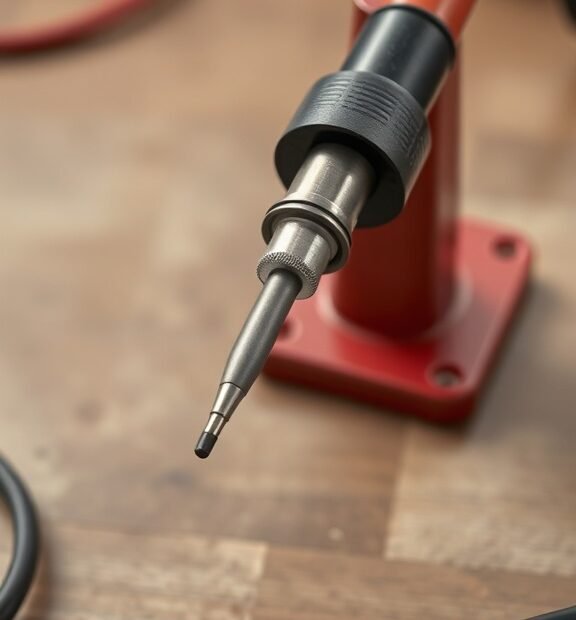
Understanding How Many Watts a Soldering Iron Uses and Its Impact on Performance
Soldering irons are essential tools for various tasks, including electronics repair and DIY projects. One key factor that often comes into play is the wattage of the soldering iron. Knowing how many watts a soldering iron uses can help you understand its heating capabilities and overall performance in different applications.
Most soldering irons on the market typically range anywhere from 15 watts to 80 watts. The wattage matters significantly because it directly affects how quickly the soldering iron heats up and maintains its temperature during use. Let’s dive deeper into why this is crucial.
Factors Determining Wattage Requirements
When looking at different soldering irons, consider the following factors to assess how many watts might be optimal for your needs:
- Type of Projects: If you are working on delicate electronics, a lower wattage (around 20-30 watts) may suffice. Conversely, projects involving larger components may require at least 40 watts to ensure proper heat transfer.
- Heating Time: Higher wattage soldering irons heat up faster than lower wattage ones. For instance, a 60-watt soldering iron can reach an optimal temperature within 30 seconds, while a 25-watt iron may take over a minute.
- Temperature Control: Advanced models often feature adjustable wattage settings. This allows you to control the temperature, catering to various tasks, enhancing both safety and effectiveness.
Impact of Wattage on Performance
The wattage of a soldering iron plays a significant role in its overall performance. Here’s how it affects your work:
- Heat Retention: Higher wattage soldering irons maintain their temperature better, especially during continuous soldering tasks. This leads to more consistent results, preventing the need to reheat the tip frequently.
- Penetration and Flow: A higher wattage helps solder penetrate larger joints more efficiently. This results in a better flow of solder, ensuring stronger, more reliable connections.
- Metal Type: Harder metals or thicker connections may require higher wattage to achieve the necessary heat. For example, soldering brass or heavy copper requires a tool around 50-80 watts.
Choosing the Right Watts for Your Needs
When selecting a soldering iron, consider the following tips for determining the right wattage:
- Assess Your Projects: Think about the types of soldering tasks you’ll be performing most often. This should guide your decision on which wattage is best.
- Consult Product Specifications: Most soldering iron brands clearly state the wattage and suitable applications for their tools. Use these guidelines to match the iron to your projects.
- Consider Adjustable Models: Investing in a soldering iron with adjustable wattage can save you money and provide greater versatility over time.
Common Wattage Levels and Their Uses
Here’s a quick rundown of common soldering iron wattages and their best uses:
- 15-30 Watts: Ideal for basic electronics and fine work, perfect for light soldering jobs.
- 30-60 Watts: A general-purpose range suitable for both hobbyist and professional use. Good for most applications.
- 60-80 Watts: Best for heavy-duty work, ideal for soldering larger parts and more challenging materials.
Understanding how many watts a soldering iron uses significantly impacts its performance and your execution of projects. By choosing the right wattage for your specific tasks, you can enhance your soldering skills and achieve better results. Selecting between 15 and 80 watts will boil down to the type of work you’re doing, so take the time to assess your needs before making a purchase. With the right soldering iron, your projects will not only become easier but also more enjoyable.
Choosing the Right Soldering Iron: Comparing Wattage for Different Projects
When it comes to soldering, selecting the right soldering iron is crucial to ensuring the success of your project. One of the most significant factors to consider is wattage. Understanding how many watts a soldering iron uses can guide you in making the best choice for your specific tasks.
Soldering irons come in various wattages, typically ranging from 15 watts to over 80 watts. The wattage directly affects the temperature and heating time of the soldering iron. Higher wattage means a faster heat-up time and the ability to maintain a consistent temperature, which is essential for more demanding tasks.
Different Wattages for Different Soldering Tasks
Choosing the right wattage depends on the type of soldering projects you plan to undertake. Here’s a breakdown of common tasks and the appropriate wattage for each:
- Low-Power Electronics (15W – 30W): For small electronics like repairing circuit boards or working with delicate components, a lower wattage is sufficient. These soldering irons heat up slowly but provide enough control for detailed work.
- General Electronics (30W – 50W): This range is ideal for home electronics projects, such as soldering components onto PCBs or lights. It offers a balance of speed and control, making it versatile for most tasks.
- Heavy-Duty Projects (50W – 80W): If you’re dealing with larger components, like wiring in automotive applications or soldering metal pipes, opt for a higher wattage soldering iron. It heats up quickly and maintains temperature effectively, allowing for a better soldering experience.
- Specialized Applications (Over 80W): For industries such as jewelry making or large-scale electronics, specialized high-wattage soldering tools are necessary. They are designed for both efficiency and ease of use in demanding conditions.
Factors Affecting Your Choice
While wattage is essential, several other factors come into play when choosing a soldering iron:
- Type of Solder: Lead-based solder melts at a lower temperature than lead-free solder. If you’re using lead-free solder, you may require a soldering iron with a higher wattage to achieve proper melting.
- Size of the Tip: Wider tips need more heat to reach the same temperature as narrower tips. Depending on your project, a higher wattage may be necessary to maintain the temperature across the tip.
- Frequency of Use: If you use a soldering iron frequently, investing in a higher wattage model can save you time and provide a better overall experience.
- Length of Use: When working on larger projects that take considerable time, a soldering iron with the appropriate wattage will help you avoid delays caused by waiting for the iron to heat up.
Temperature Control Options
Many modern soldering irons come equipped with temperature control settings, allowing you to adjust the heat output based on your specific needs. This feature can be especially useful for detailed work or when dealing with sensitive electronic components. They are often a bit more costly, but the investment is worthwhile for serious hobbyists or professionals.
Soldering Iron Maintenance
It’s important to maintain your soldering iron for optimal performance. Regardless of wattage, keeping the tip clean and well-tinned not only enhances efficiency but also prolongs the life of your tool. Regularly check for build-up and ensure that the iron is stored properly after use to avoid damage.
Understanding how many watts a soldering iron uses is key to selecting the right tool for your project. Whether you are a beginner or an experienced user, matching the wattage with your specific needs will ensure a smooth and effective soldering experience. Always consider the nature of your projects and select accordingly to achieve the best results.
Conclusion
Selecting the right soldering iron can make a significant difference in your projects, and understanding wattage is key to that choice. The wattage of a soldering iron directly impacts its heating capabilities and overall performance. Higher wattage tools heat up faster and can maintain temperature better under workload, which is essential for demanding tasks like soldering larger components or working with larger surfaces. Conversely, lower wattage irons are often more suitable for finer work, where precision and control are prioritized.
When choosing a soldering iron, consider the nature of your projects. For detailed electronics work, a soldering iron around 25-40 watts is typically sufficient, as it allows you to maneuver easily and work with smaller components. On the other hand, if you’re tackling tasks such as soldering heavy wires or circuit boards, a higher wattage iron (50-80 watts) might be more appropriate, ensuring that the tool can maintain its temperature even when heat is drawn away by larger parts.
Ultimately, finding the right balance between wattage and your specific soldering needs can greatly impact your success. By understanding how many watts a soldering iron uses, you can select a tool that enhances your productivity and quality, ensuring that your projects turn out just as you envisioned. Consider your work types carefully, and choose wisely to make your soldering experiences smoother and more enjoyable.