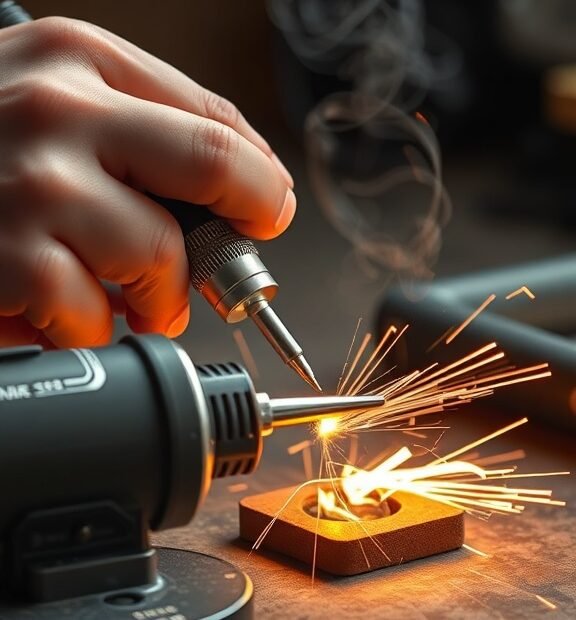
How Does a Butane Soldering Iron Work: Mechanisms and Applications
Butane soldering irons are innovative tools that make soldering tasks more accessible and versatile. Understanding how they work can significantly enhance your soldering experience, whether you’re a hobbyist or a professional. These tools utilize a butane fuel source, offering portability and ease of use. Let’s delve into the mechanisms of a butane soldering iron and the various applications they serve.
What Makes Up a Butane Soldering Iron?
A butane soldering iron has several key components that allow it to function effectively:
- Butane Tank: This is the heart of the soldering iron, holding the butane gas that fuels the tool.
- Ignition System: Most butane soldering irons come with a built-in ignition system, often piezoelectric, which allows you to ignite the gas easily.
- Temperature Control: Many models feature adjustable temperature settings, allowing you to control the heat output for different types of soldering tasks.
- Soldering Tip: The tip is where the heat is concentrated. Different shapes and sizes are available, depending on the application.
- Body/Casing: The outer body is designed to be ergonomic and heat-resistant, ensuring a comfortable grip and safety during use.
How Does a Butane Soldering Iron Work?
The operation of a butane soldering iron is relatively straightforward. When you press the ignition button, the piezoelectric ignition system creates a small spark which ignites the butane gas that is released from the tank. Once lit, the flame heats the soldering tip, allowing it to reach the desired temperature for easy soldering.
Here’s a step-by-step breakdown of the process:
- Fill the Butane Tank: Begin by carefully refilling your soldering iron’s butane tank with the appropriate butane fuel.
- Ignition: Activate the safety lock (if applicable), then press the ignition button. This ignites the gas, producing a small flame at the soldering tip.
- Adjust Temperature: Use the temperature control knob to set the iron to the desired heat level for your specific soldering work.
- Start Soldering: Allow the soldering tip to reach the appropriate temperature, then proceed to solder your components. The heat will melt the solder, allowing it to flow and bond materials together.
Benefits of Using Butane Soldering Irons
Butane soldering irons stand out due to their numerous benefits:
- Portability: Because they are fuel-powered, butane soldering irons can be easily used in places where electricity is unavailable.
- Quick Heating: These tools can heat up rapidly, enabling you to start your soldering work without delays.
- Versatility: They are suitable for a range of applications, including electronics, jewelry making, and crafts.
- Ease of Use: With user-friendly operation, they are ideal for both beginners and experienced users.
Applications of Butane Soldering Irons
Butane soldering irons are useful in a variety of situations:
- Electronics: Ideal for soldering circuit boards and electronic components where precision is key.
- Automotive Work: Helpful for soldering electronic parts or repairing connections in vehicles.
- Jewelry Making: Excellent for delicate soldering tasks on metal pieces without excessive heat.
- Model Building: Perfect for hobbyists who work with plastics and metals in various model projects.
Understanding how a butane soldering iron works aids not just in completing tasks effectively but also in choosing the right tools for specific applications. These versatile instruments are practical, portable, and provide exceptional utility across multiple industries and hobbies. Whether you’re fixing electronics, crafting jewelry, or engaging in model-making, a butane soldering iron can be an invaluable addition to your toolkit.
Advantages of Using a Butane Soldering Iron for Various Projects
When working on various projects, a butane soldering iron is a tool many find incredibly valuable. Its portability, versatility, and effectiveness make it a go-to choice for both hobbyists and professionals. Understanding the advantages of this handy instrument can help you decide if it’s right for your needs.
Portability and Convenience
One of the significant benefits of using a butane soldering iron is its portability. Since it doesn’t need to be plugged into an electric outlet, you can take it almost anywhere. Whether you are working on electronics in your garage, repairing pipes outdoors, or crafting jewelry at a roadside stand, having a cordless soldering iron allows for easy movement. This convenience is especially beneficial if your projects require you to travel to various locations.
Quick Heating Time
Butane soldering irons heat up rapidly, which means you can get to work almost immediately. In less than a minute, you can be ready to solder. This feature is particularly advantageous for those who may need to complete tasks quickly or for those engaged in time-sensitive projects. A faster heating time leads to increased productivity, allowing you to accomplish more in less time.
Versatile Applications
These soldering irons are not just for electrical work. They have a broad range of applications that can fit various needs:
- Electronics: Great for soldering components on circuit boards.
- Jewelry Making: Ideal for soldering metal components in jewelry projects.
- Crafting: Useful in various DIY and craft activities.
- Automotive Repairs: Excellent for quick fixes on electrical connections.
- Plumbing: Can be used for soldering copper pipes in plumbing tasks.
This versatility means you can use a butane soldering iron for almost any project, making it a valuable addition to your toolkit.
Adjustable Flame Control
Many butane soldering irons come with adjustable flame settings. This feature allows you to control the intensity of the heat being applied, making it safe and effective for delicate work. You can choose a low flame for soldering tiny electronics or switch to a stronger flame for heavier materials. This flexibility is crucial for achieving the best results on different projects.
Efficient for High-Temperature Tasks
Butane soldering irons are well-suited for high-temperature tasks because they can reach temperatures of over 2500°F (1371°C). This capability makes them an excellent choice for soldering, heating, and even welding applications where higher temperatures are necessary.
Cost-Effectiveness
Investing in a butane soldering iron can prove to be cost-effective over time. These tools often have a long lifespan with proper maintenance. Additionally, the cost of butane itself is typically lower compared to the electricity required to power electric soldering units. You’ll save money on energy bills and won’t need to rely on finding an outlet in your workspace.
Safety Features
Safety is always a priority when using tools, and a butane soldering iron often includes features designed to minimize the risks associated with high heat. This includes secure ignition mechanisms and built-in safety locks that prevent accidental ignition. Using this tool responsibly will keep both you and your workspace safe from potential hazards.
Utilizing a butane soldering iron can significantly enhance your productivity and efficiency across a wide range of projects. From portability and heating speed to versatility, this tool stands out for its multiple advantages. Whether you’re a seasoned professional or a DIY beginner, considering a butane soldering iron can improve your work experience and yield better results overall.
Conclusion
Understanding how a butane soldering iron works, along with its mechanisms and applications, reveals its versatility as a powerful tool for various projects. The operation of this device hinges on the combustion of butane gas, which produces a flame that heats the soldering tip to the necessary temperature, allowing for effective soldering tasks. This design not only simplifies the soldering process but also provides portability that electric soldering irons often lack.
The advantages of using a butane soldering iron cannot be understated. Its compact nature means you can easily carry it in a toolbox or backpack, making it ideal for fieldwork, repairs, or projects far from a power source. Additionally, the ability to easily refill the butane canister ensures that you won’t find yourself out of power during a critical job. The quick heating feature allows you to start working almost instantly, boosting productivity and efficiency, whether you’re working on electronic devices or intricate craft projects.
By choosing a butane soldering iron for your soldering needs, you gain a tool that combines convenience and reliability. This makes it an excellent choice for hobbyists and professionals alike. Whether you’re a beginner looking to learn soldering or an expert needing a reliable tool for complex tasks, understanding the mechanics and benefits of butane soldering irons can elevate your work and deliver exceptional results. Embrace the efficiency and versatility this tool provides, and discover how it can enhance your soldering experience across a range of applications.