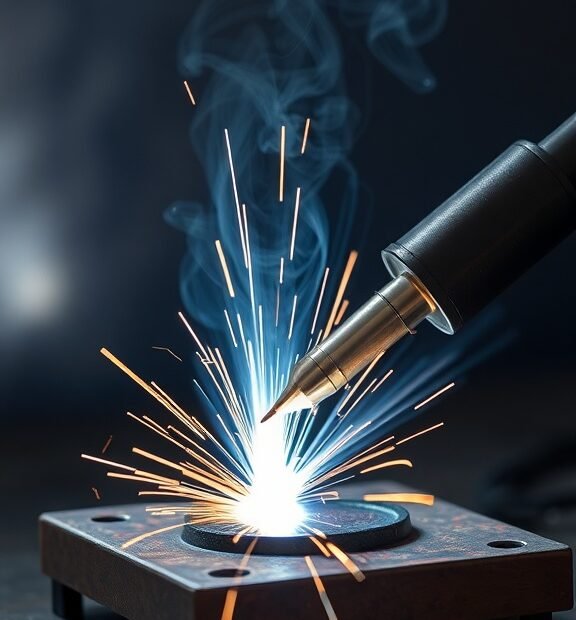
Can You Weld Aluminum with a Soldering Iron: Techniques and Limitations
Welding aluminum is a challenging task, especially for beginners. You might wonder, “Can you weld aluminum with a soldering iron?” While soldering is a great method for joining copper and other metals, aluminum requires more precise techniques. Let’s dive into the possibilities and limitations of using a soldering iron for this purpose.
First, it’s essential to understand how soldering works. A soldering iron typically uses a temperature range of 350°F to 900°F. This level of heat is suitable for soft metals like copper, but aluminum demands higher temperatures. Aluminum’s melting point is around 1,220°F. This significant difference means that using a standard soldering iron might not be effective in melting aluminum properly.
That said, some specialized soldering irons with higher temperature capabilities can work on aluminum. Before deciding to attempt it, here are crucial points to consider:
Soldering Iron Kits & Accessories
- Types of aluminum: Different grades of aluminum have varying melting points and properties. Most hobbyists deal with 6061 aluminum, which is much easier to work with than others.
- Flux requirements: Aluminum oxide forms quickly on the surface of aluminum. This oxide layer prevents proper bonding. Using a suitable flux can help break down this barrier, making soldering more feasible.
- Welding rod selection: If you decide to solder aluminum, use aluminum soldering rods instead of standard solder. These rods contain additives that allow them to bond better with aluminum.
- Heat management: Continuous heat is vital when working with aluminum, as letting it cool can lead to weak joints. This aspect may be challenging with a soldering iron, which is typically used for intermittent work.
So, can you weld aluminum with a soldering iron? In short, it’s possible but comes with limitations. Here’s a more in-depth look at the techniques and equipment involved:
1. **Choosing the right equipment:** If you insist on using a soldering iron, make sure it can reach higher temperatures or consider investing in a soldering kit designed for aluminum work. Some advanced soldering irons can reach temperatures of 1,200°F, making them suitable for aluminum.
Soldering Iron Kits & Accessories
2. **Prepping the metal:** Always clean the aluminum surface to remove any oxidation. Use a dedicated aluminum cleaner or some sandpaper to grind away the oxide layer. This step ensures that your solder adheres properly to the aluminum.
3. **Using flux:** Applying flux is crucial when soldering aluminum. It helps remove oxides and improves the solder’s wetting ability, allowing better bonding. Look for flux specifically made for aluminum to achieve the best results.
Soldering Iron Kits & Accessories
4. **Soldering technique:** Heat the aluminum piece and then apply the soldering iron tip along with the aluminum soldering rod to the joint. Use the soldering iron to move the aluminum solder along, allowing it to flow into the joint. Work quickly, as aluminum can lose heat rapidly.
5. **Cooling:** Once you finish soldering, allow the workpiece to cool naturally. Rapid cooling can lead to weak joints or cracks, so give it some time.
Soldering Iron Kits & Accessories
Despite these techniques, many professionals would argue that using a soldering iron for aluminum isn’t the best approach. Instead, consider more appropriate methods such as TIG welding or MIG welding, which are specially designed to handle aluminum’s unique properties. Using a welder ensures stronger and more durable joints while providing a cleaner finish.
While it’s technically possible to weld aluminum with a soldering iron under the right conditions, it comes with various challenges. If weld quality and strength are your main concerns, exploring other welding options will often yield better results. Understanding your tools, material properties, and techniques is essential for success in aluminum fabrication.
Comparing Welding Methods: Soldering Iron vs. Traditional Welding for Aluminum Projects
When it comes to working with aluminum, choosing the right welding method can significantly impact the quality of your project. Two common methods are using a soldering iron and traditional welding techniques. Each has its unique advantages and limitations. Let’s explore how these two methods compare for aluminum projects.
Soldering Iron Kits & Accessories
Understanding the Basics
A soldering iron is typically designed for joining low-temperature metals, while traditional welding employs heat to melt the workpieces and fuse them together. In aluminum welding, it’s essential to understand the material’s properties, which can dictate the success of your project.
The Soldering Iron Approach
Using a soldering iron on aluminum can be a tempting option for smaller or simpler jobs. Here are some key points to consider:
Soldering Iron Kits & Accessories
- Temperature Control: Soldering irons generally operate at lower temperatures (around 350°F–850°F). Aluminum has a melting point of about 1220°F, so this method can be less ideal for strong joins.
- Filler Materials: You will likely need special aluminum solder or brazing rods to work with a soldering iron, which can make the process more complicated than expected.
- Joint Strength: Joints made with a soldering iron typically lack the strength of traditional welds, making them suitable for non-structural applications.
- Ease of Use: For hobbyists or small tasks, using a soldering iron can be more accessible and less intimidating.
Traditional Welding Techniques
Traditional welding involves processes such as TIG (Tungsten Inert Gas) or MIG (Metal Inert Gas) welding. These methods are more precise and can produce stronger, more durable joints. Here’s a closer look:
- High-Temperature Capability: Traditional welding can reach the higher temperatures required to melt aluminum completely, ensuring a strong bond.
- Stronger Joints: Welds produced from these methods are typically much stronger than those from a soldering iron, making them suitable for critical structural purposes.
- Higher Skill Requirement: These methods generally require more skill and experience, which can be a deterrent for beginners.
- Cost: Welding equipment can be more expensive compared to soldering tools, which may influence your decision based on budget constraints.
Pros and Cons of Each Method
By summarizing the pros and cons, you can better evaluate which method suits your needs:
Soldering Iron Kits & Accessories
Soldering Iron
- Pros:
- Low-cost tools.
- Easy for small projects.
- No need for protective gear.
- Cons:
- Weaker joints.
- Limited to non-structural applications.
- Not suitable for high-temperature demands.
Traditional Welding
- Pros:
- Creates robust and durable joints.
- Versatile for various aluminum thicknesses.
- Suitable for structural applications.
- Cons:
- Requires advanced skill and training.
- More expensive equipment.
- Safety precautions are necessary.
Final Thoughts on Selecting the Right Method
Choosing between using a soldering iron and traditional welding for aluminum projects boils down to the specific needs of your project. If you are working on a hobby or a simple repair, a soldering iron can be sufficient. However, for structural applications requiring strength and durability, traditional welding would be the better choice.
Before starting your project, make sure to assess the materials you’ll be working with and what kind of joint you’ll need. Knowing the limitations of each method will help you achieve the best results in your aluminum projects.
Conclusion
When considering whether you can weld aluminum with a soldering iron, it’s essential to understand both the techniques and limitations involved. While a soldering iron is a handy tool for various projects, it is not the ideal choice for welding aluminum. The temperature range of a soldering iron typically falls short of what’s needed to melt aluminum effectively, leading to weak joints that may not hold under stress.
Soldering Iron Kits & Accessories
Comparing soldering iron methods to traditional welding techniques, you’ll find that methods like TIG (Tungsten Inert Gas) or MIG (Metal Inert Gas) welding are far superior for aluminum projects. These traditional methods achieve the high temperatures required to fuse aluminum properly, resulting in strong, durable welds.
If you’re working on aluminum, you should definitely consider using equipment designed specifically for welding instead of improvising with a soldering iron. The benefits of investing in proper welding tools are clear, as they will provide reliable and lasting results.
Soldering Iron Kits & Accessories
Ultimately, understanding the right tools for the job ensures safety and quality in your projects. Whether you are a novice or an experienced fabricator, knowing when and how to use the appropriate methods will lead to better outcomes and enhance your skills in aluminum welding. Choosing the right approach not only saves time and resources but also allows for greater creativity and precision in your work with aluminum materials.