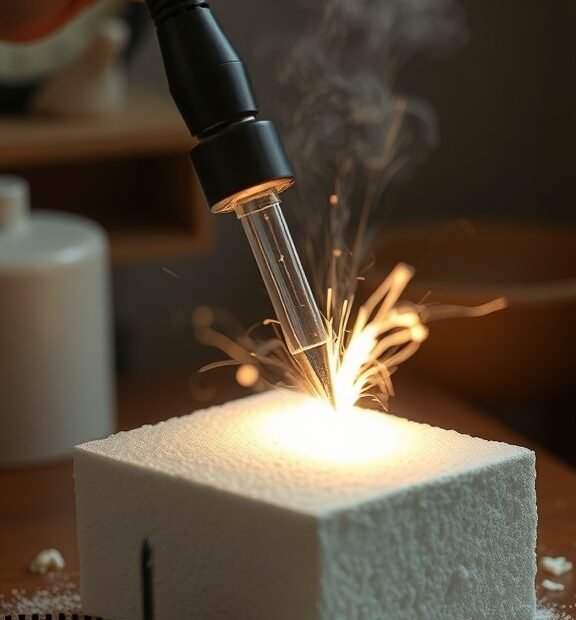
Exploring the Effectiveness of Using a Soldering Iron to Cut Styrofoam
When it comes to crafting or DIY projects that involve Styrofoam, many people wonder about the best tools to use for cutting this lightweight and versatile material. One common question is whether a soldering iron can be effectively used to cut Styrofoam. Let’s explore the effectiveness of this method, how it works, and what considerations to keep in mind.
Using a soldering iron to cut Styrofoam is more than just a clever idea; it can actually yield satisfying results. A soldering iron operates at high temperatures, allowing it to melt through the Styrofoam rather than cutting it like a knife. This technique creates clean edges and reduces the risk of the material crumbling, which is a frequent issue with traditional cutting tools.
Here are some key benefits of using a soldering iron for cutting Styrofoam:
- Precision: The fine tip of a soldering iron allows for intricate cuts and designs. You can easily follow curves and outlines without much hassle.
- Less Mess: Melting Styrofoam minimizes the mess often created by shavings and debris associated with conventional cutting tools.
- Speed: The high temperature of the iron ensures that cutting is quick. You won’t have to spend excessive time working through the material.
- Seamless Finishing: Melting the edges creates a smooth finish, which can be crucial if you’re aiming for a professional look on your project.
However, before you grab your soldering iron, keep the following points in mind:
- Safety: Always use protective gear, including gloves and goggles. The soldering iron can get extremely hot, and there will be fumes emitted when melting Styrofoam, which can be harmful. Make sure you’re in a well-ventilated space.
- Iron Tip Size: Choose a soldering iron with a fine tip to ensure better control over your cuts. A wider tip may lead to less precision and uneven edges.
- Material Thickness: The thickness of the Styrofoam can affect your cutting technique. For thicker pieces, ensure that your soldering iron has enough wattage to handle the job effectively.
The technique for using a soldering iron to cut Styrofoam is fairly straightforward:
- Prepare your workspace by ensuring a clean, flat surface.
- Set the soldering iron to the appropriate temperature and allow it to heat up.
- Mark the areas where you wish to cut. This helps in making precise cuts.
- Gently press the tip of the soldering iron against the Styrofoam. Move it along your marked line without applying excessive pressure.
- Once you have completed your cut, allow the piece to cool before handling it extensively.
While using a soldering iron is a viable option, it’s important to note that it may not be suitable for all Styrofoam projects. For instance, if you need straight cuts or are working with larger panels, traditional hot wire cutters or specialized Styrofoam cutting tools might be more efficient. These tools are designed specifically for cutting foam and can offer a smoother experience for larger projects.
An additional advantage of using a soldering iron is its portability. Unlike other cutting tools that may require specific setups or power sources, a soldering iron can be easily transported. This makes it a great tool for on-the-go projects or when working in different locations.
As you explore the world of crafting and DIY projects, incorporating a soldering iron for cutting Styrofoam can become a staple in your toolkit. Not only does it assist in precision crafting, but it also opens up the possibility for creativity in design. Just remember to prioritize safety and choose the right tools for your specific needs. With these considerations in mind, you can effectively use a soldering iron to achieve stunning results with Styrofoam.
If you are asking yourself, “Can you use a soldering iron to cut Styrofoam?” the answer is a resounding yes! It can be an effective method for certain projects, and with practice, you can master the technique to create beautiful and intricate designs. So, gather your materials, prepare your soldering iron, and get ready to bring your Styrofoam creations to life!
Safety Tips and Techniques for Crafting with Hot Tools and Styrofoam
When crafting with hot tools and materials like Styrofoam, it is essential to prioritize safety. These tools can be incredibly effective for shaping and cutting, but they also come with risks. Understanding how to best handle these tools can help you enjoy a safer crafting experience. Here are some essential safety tips and techniques to keep in mind while working on your Styrofoam projects.
Choosing the Right Tools
Using the proper tools for your Styrofoam projects can enhance both safety and efficiency. Consider the following options:
- Soldering Iron: Although primarily used for electronics, a soldering iron can efficiently cut through Styrofoam when used at lower temperatures. It melts the material rather than just slicing it, ensuring smoother edges.
- Hot Wire Cutter: This tool is specifically designed for cutting Styrofoam. It operates with a heated wire, making clean cuts without creating a mess of crumbs.
- Utility Knife: A sharp utility knife can also work on thicker Styrofoam. However, take care to use a steady hand and apply pressure gently to avoid jagged edges.
Safety Gear
Protecting yourself is vital when using hot tools. Always wear appropriate safety gear, which may include:
- Safety Goggles: Protect your eyes from potential debris and fumes.
- Face Mask: Wearing a mask can help filter out any fumes released when cutting or melting Styrofoam.
- Heat-Resistant Gloves: These can protect your hands from burns, especially when handling a soldering iron or hot wire cutter.
Workspace Preparation
Creating a safe workspace is equally important. Consider these steps:
- Ventilation: Ensure your workspace has proper ventilation to disperse any fumes arising from melting Styrofoam.
- Clear Surface: Work on a clean and clear surface. Remove any unnecessary items that could catch fire or cause accidents.
- Fire Safety: Keep a fire extinguisher nearby, just in case an accident occurs while working with high-temperature tools.
Cutting Techniques
Proper techniques when cutting Styrofoam can improve both safety and the quality of your work. Here’s how to effectively use a soldering iron or hot wire cutter:
- Heat Tools Gradually: Allow your soldering iron or hot wire cutter to heat up gradually. This prevents damage to the tool and makes it easier to control.
- Use Steady Hands: Ensure you have a firm grip and steady hands while cutting. Sudden movements can lead to accidents or uneven cuts.
- Make Clean Cuts: Instead of pressing down firmly, glide the tool along the Styrofoam. Let the heat do the work for you, and avoid entering multiple times to create cuts.
Post-Cutting Cleanup
After you finish cutting, don’t rush the cleanup process. Take your time to ensure your space is safe:
- Dispose of Scraps Properly: Styrofoam scraps can be a fire hazard. Make sure to dispose of them in a closed container.
- Check Tools: Turn off and unplug tools once you are done. Allow them to cool down completely before storing them.
- Wash Hands: Always wash your hands after working with Styrofoam, especially if you’ve been using chemicals or adhesives.
Smart Practices
Implementing smart methods can significantly increase your safety while crafting:
- Plan Your Cuts: Before you start cutting, outline your project. Knowing where to cut can prevent mistakes and minimize work.
- Practice First: If you are new to using a soldering iron or hot wire cutter, practice on a scrap piece of Styrofoam first. This will help build your confidence and technique.
- Stay Focused: Avoid distractions while using hot tools. Concentrating on your task reduces the risk of accidents.
By keeping these safety tips and techniques in mind, you can enjoy crafting with Styrofoam and hot tools while minimizing risks. Always remember that a focused, prepared approach will lead to a safer and more successful crafting experience.
Conclusion
Using a soldering iron to cut Styrofoam can be an effective and efficient method for many crafting projects. It allows for precision and control, making it ideal for intricate designs and shapes. The heat from the soldering iron melts the Styrofoam, creating clean edges that are often more difficult to achieve with traditional cutting tools. This technique not only enhances the quality of your work but also saves time, as it can cut through foam quickly.
However, safety should always be your top priority when working with hot tools. The soldering iron reaches high temperatures, so wearing protective gear like gloves and goggles is essential. Ensure you work in a well-ventilated area to avoid inhaling any fumes released from the melted Styrofoam. Additionally, having a stable work surface can reduce the risk of accidents.
Employing proper techniques can further enhance your crafting experience. Keep the soldering iron at a consistent angle and avoid applying too much pressure to prevent damaging the foam or the iron itself. When cutting, make smooth, steady movements to maintain accuracy. Regularly clean the tip of your soldering iron to ensure optimal performance and reduce the buildup of material, which can impact its efficiency.
By combining the effectiveness of a soldering iron with appropriate safety measures and techniques, you can unlock new possibilities in your creative endeavors. Embrace this approach to elevate your projects and enjoy the effortless crafting experience that comes with mastering the art of Styrofoam cutting.