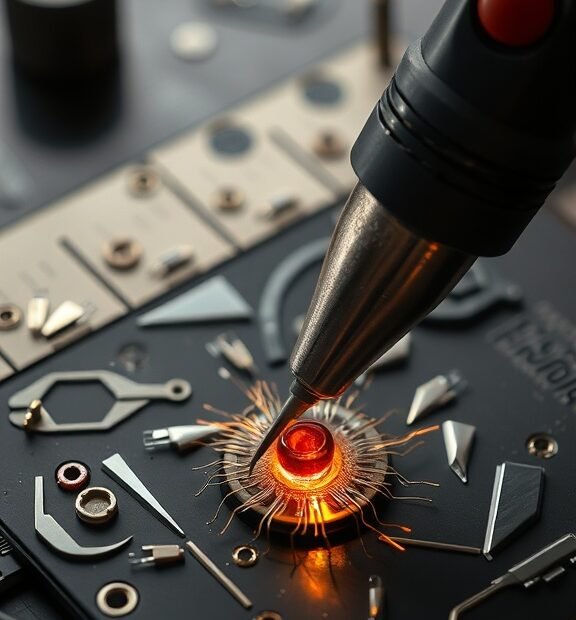
The Benefits and Risks of Using a Soldering Iron on Plastic
When it comes to using a soldering iron, most people think of metal components and electronic circuits. However, you might find yourself wondering: can you use a soldering iron on plastic? Understanding the benefits and risks of this technique can help you make a more informed decision.
Many DIY enthusiasts and hobbyists have discovered that a soldering iron can be a handy tool for working with plastic materials. While this approach can be quite effective, there are several factors to keep in mind.
Benefits of Using a Soldering Iron on Plastic
There are various advantages to using a soldering iron when dealing with plastic. Here are a few noteworthy benefits:
Soldering Stations | Easy 60 Day Return
- Precise Repairs: A soldering iron allows for detailed and precise work. It can melt the plastic at the exact spot needed for repairs or alterations, ensuring a clean finish.
- Strong Bonding: Using a soldering iron can create a strong bond between plastic pieces. When the plastic melts and fuses together, it can often result in a more durable joint than traditional adhesives.
- Quick Fixes: For small repairs, a soldering iron can be a quick solution. Instead of waiting for glue to dry, you can finish your project in a matter of minutes once you master this skill.
- Versatility: Aside from repair work, a soldering iron can also help you shape or modify plastic materials, allowing you to get creative with your projects.
Types of Plastic Suitable for Soldering
Not all plastics are created equal, and some types respond better to soldering than others. Consider these common varieties:
- ABS (Acrylonitrile Butadiene Styrene): This type is widely used in various applications and is known for its ease of use when soldered.
- PVC (Polyvinyl Chloride): PVC can also be soldered effectively but requires caution to minimize the risk of fumes during the soldering process.
- Polycarbonate: This type is tough and can be worked on with a soldering iron, but ensure to use the right temperature to avoid burning.
Risks of Using a Soldering Iron on Plastic
While soldering plastic has its perks, there are some risks you should consider before diving in:
Soldering Stations | Easy 60 Day Return
- Fumes: Melting plastic can release harmful fumes. Always ensure good ventilation in your workspace to avoid inhaling toxic substances.
- Overheating: Using too high a temperature can easily burn and deform the plastic. Always start with a lower heat setting and adjust as necessary.
- Damage to Plastic: Not all plastics react well to heat, so there is a risk of puckering, warping, or even completely melting the plastic piece.
Tips for Safe and Effective Soldering on Plastic
If you decide to use a soldering iron on plastic, here are some tips to maximize safety and effectiveness:
- Practice First: Before attempting a significant repair, practice on scrap pieces of plastic to hone your skills.
- Control the Heat: Adjust the temperature to a suitable level based on the type of plastic you are using.
- Maintain Clean Tools: Make sure your soldering iron tip is clean and free of debris for optimal performance.
- Wear Protective Gear: Use safety glasses and a mask to shield yourself from accidental splashes of molten plastic or fumes.
Using a soldering iron on plastic can be an effective method when done carefully. By weighing the benefits against the risks and employing safe practices, you can tackle various projects with confidence. Whether you’re repairing damaged plastic components or embarking on creative endeavors, understanding how to effectively use a soldering iron can enhance your DIY skills.
Alternative Methods for Joining Plastic Materials Without Heat
Joining plastic materials without heat can open up new possibilities for projects where the application of heat is impractical or can damage the material. In this article, we will explore several alternative methods that you can use to effectively bond plastics.
Soldering Stations | Easy 60 Day Return
Mechanical Fasteners
Mechanical fasteners are a popular choice for joining plastic pieces without the use of heat. These include:
- Screws: Using screws allows for a strong attachment between plastics. Choose screws that are designed to work with plastic, as they help prevent cracking.
- Bolts and Nuts: For thicker plastic materials, bolts and nuts provide a durable connection. You can also use washers to spread the load and enhance stability.
- Rivets: Plastic rivets can create strong joints while remaining lightweight. They work well in situations where permanent bonds are needed.
Adhesives
Adhesives are perhaps the most versatile method for joining plastics without heat. Many types of adhesives are available, each tailored for specific plastic types. It’s essential to choose the right kind for your project:
Soldering Stations | Easy 60 Day Return
- Cyanoacrylate: Also known as super glue, this fast-curing adhesive is ideal for small projects and delicate materials.
- Epoxy: Offering strong bonds, epoxy can adhere various types of plastics. It usually requires mixing before application and has a longer curing time.
- Hot Melt Adhesives: While this involves heat at the application point, it cools quickly and sets without requiring high temperatures.
- Plastic-Specific Adhesives: Brands often create specialized adhesives for specific plastic types, such as PVC or polycarbonate. Make sure to read the label.
Solvent Bonding
Solvent bonding is another effective method. This technique does not involve heat but uses a solvent to soften the plastic surface, allowing the pieces to fuse together as the solvent evaporates. Common solvents include:
- Acetone: Useful for bonding ABS and PVC, it softens the plastic effectively.
- Methylene Chloride: Often used with polycarbonate and acrylic, it creates a strong and clear bond.
When using solvent bonding, always ensure you work in a well-ventilated area and wear appropriate safety gear.
Soldering Stations | Easy 60 Day Return
Interlocking Design
Designing plastic parts with interlocking features is another creative way to join them without heat. This method utilizes the shape of the pieces to secure them in place.
- Tongue and Groove: This classic joinery technique can be applied by designing male and female edges that slide and lock into one another.
- Snap Fit Joints: These designed joints allow one piece of plastic to be snapped into another, providing a temporary or permanent bond without adhesives or heat.
Pressure Sensitive Adhesives
Pressure-sensitive adhesives (PSAs) offer a unique solution as well. These adhesives bond when pressure is applied, making them ideal for quick and easy applications. You can find PSAs in tape forms or as sheets that are easy to cut and apply. They are particularly beneficial for:
Soldering Stations | Easy 60 Day Return
- Temporary Bonds: If you need a hold that can be removed later, PSAs are perfect for prototypes or temporary fixtures.
- Easy Cleanup: They typically do not create a mess, which is an advantage for delicate projects.
Joining plastic without heat may require a mix of creativity and the right materials. By exploring mechanical fasteners, adhesives, solvent bonding, interlocking designs, and pressure-sensitive adhesives, you can find the perfect method to suit your project’s needs. Each alternative method has its advantages, making it essential to consider the specific requirements of your project to achieve the best results.
Conclusion
Using a soldering iron on plastic can be a double-edged sword. On one hand, it allows for quick repairs and joints that can be strong and effective when done correctly. The heat from the soldering iron melts the plastic, allowing the two surfaces to bond. However, it carries significant risks. Excessive heat can lead to warping, burning, or even creating toxic fumes. Thus, if you choose to go this route, it is crucial to practice safety measures and ensure you stay within the right temperature ranges.
For those who are hesitant to use heat, there are alternative methods to consider. Adhesives designed specifically for plastics can provide strong bonding without risking damage from heat. For example, plastic welding kits or epoxy resins can work wonders, letting you join materials securely while preserving their integrity. Mechanical fasteners, like screws or clips, also serve as excellent options for assembling plastic components without the need for melting or altering the material.
Soldering Stations | Easy 60 Day Return
Ultimately, the choice between using a soldering iron or opting for alternative methods will depend on your specific project needs, the type of plastic involved, and your comfort level with the process. By weighing the benefits and risks, you’ll be better prepared to make an informed decision for your plastic joining tasks. Always prioritize the health of the material and the safety of the environment in which you’re working.