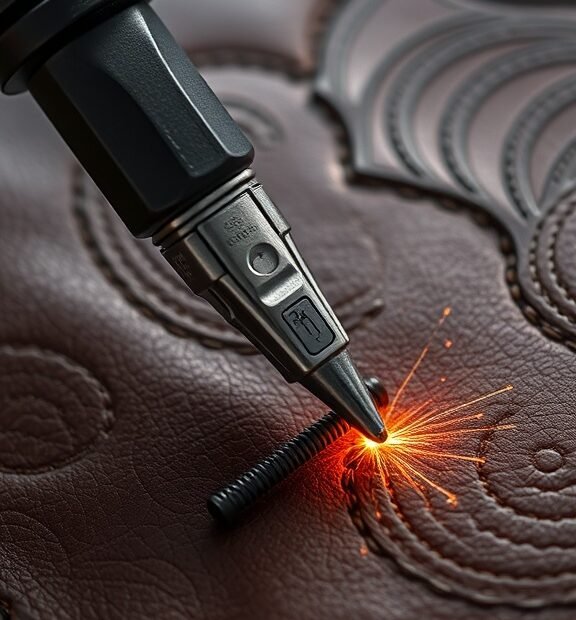
The Pros and Cons of Using a Soldering Iron on Leather
Using a soldering iron on leather can be a unique approach for various crafting projects. However, like any tool, there are pros and cons to consider before diving into this technique. Understanding these aspects will allow you to make an informed decision about whether this method is suitable for your leatherwork needs.
Benefits of Using a Soldering Iron on Leather
There are several advantages when it comes to using a soldering iron on leather:
- Precision: A soldering iron allows for intricate designs and detailed work. If you’re looking to create fine patterns or precise cuts, this tool can be invaluable.
- Heat Activation: The heat generated by a soldering iron can securely bond leather pieces together, especially when using leather cement or adhesive. This can provide a strong hold for your projects.
- Versatility: Beyond just melting seams, a soldering iron can be utilized for embossing or creating unique textures on the leather surface. This versatility opens up a range of creative possibilities.
- Speed: The heat of a soldering iron can accelerate the drying time of adhesives, meaning projects can be completed faster compared to traditional methods.
Drawbacks of Using a Soldering Iron on Leather
While there are benefits, there are also several drawbacks to be aware of:
Soldering Iron Kits & Accessories
- Risk of Damage: Leather can be sensitive to excessive heat. If you’re not careful, you might scorch or burn the leather, leading to irreversible damage.
- Limited Control: Soldering irons can be bulky. Depending on the design you’re working on, you may find it challenging to maneuver the tool for fine detail work, particularly on small or intricate pieces.
- Learning Curve: If you’re new to using a soldering iron, there’s a learning curve involved. You may need to practice on scrap leather before achieving satisfactory results.
- Special Equipment Needed: In addition to the soldering iron, you might need extra tools or materials like safety gloves, a heat-resistant mat, or adequate ventilation. This can increase the overall cost and preparation time.
Best Practices for Using a Soldering Iron on Leather
If you decide to experiment with a soldering iron on leather, consider the following best practices to optimize your results:
- Choose the Right Temperature: Leather typically requires a lower heat setting. Start with a low temperature to avoid damage and gradually increase if necessary.
- Test on Scrap Material: Always practice on scrap pieces of leather before working on your actual project. This way, you can gauge the right temperature and technique.
- Use a Steady Hand: Take your time and apply a steady hand while working. This will help you maintain control and prevent accidental burns or mistakes.
- Protect Your Work Area: Use a heat-resistant mat underneath your work to prevent damage to your workspace. This can also help with any accidental spills of molten material.
Creative Ideas for Using a Soldering Iron on Leather
Now that you’re aware of the pros and cons, here are some creative ideas for using a soldering iron on leather:
Soldering Iron Kits & Accessories
- Embossing Patterns: Use the soldering iron to create unique textures or patterns for a personalized touch to your leather goods.
- Custom Patches: Create custom patches by burning designs into leather and sewing them onto jackets or bags.
- Leather Repair: Use the soldering iron to fuse loose edges or repairs, ensuring a secure bond without visible stitching.
Ultimately, whether you choose to use a soldering iron on leather comes down to your project and comfort level. Weighing the pros and cons is crucial to ensure you achieve the desired outcome without compromising your materials. If you’re careful and creative, this technique may add a new dimension to your leather crafting experience.
Creative Techniques for Leather Crafting with Heat Tools
Leather crafting can be an exciting and rewarding hobby, opening up numerous creative possibilities. One method that has gained traction among crafters is the use of heat tools. These tools can bring a unique flair to your leather projects, allowing for various techniques that can enhance the beauty and functionality of your creations. Here’s how you can effectively use heat tools in leather crafting.
Using a Soldering Iron for Detailing
Many people wonder, “Can you use a soldering iron on leather?” The answer is yes! Soldering irons can be an excellent tool for precise detailing on leather. Here’s how:
Soldering Iron Kits & Accessories
- Embossing Patterns: Use the tip of the soldering iron to create designs on the leather’s surface. Heat the iron to a safe temperature, and gently press it onto the leather. Experiment with different patterns to see what you prefer.
- Burning Edges: For a rustic look, you can burn the edges of leather pieces with the soldering iron. This technique gives your items a vintage appearance while also sealing the edges.
- Creating Holes: Avoid using a traditional hole puncher for small holes. Instead, heat the soldering iron tip and carefully push it through the leather to create neat and clean holes.
Heat Stamping for Personalization
Heat stamping is another technique that allows you to add a personal touch to your leather projects. By using heat stamps, you can imprint designs, logos, or text on the leather’s surface. Here’s how to incorporate heat stamping:
- Choosing a Stamp: You can purchase pre-made heat stamps or create your custom design. Just ensure your stamp has a solid metal base for even heating.
- Heating the Stamp: Preheat your stamp with a heat tool until it’s hot enough to leave an impression but not so hot that it burns the leather.
- Stamping Technique: Position your heated stamp on the leather surface and apply even pressure for a few seconds. Lift it straight up to avoid smudging the design.
Using a Heat Gun for Shrinking and Shaping
A heat gun is another versatile tool that can transform your leather crafting projects. Here’s how to use it:
Soldering Iron Kits & Accessories
- Shrinking Leather: If you’re working with larger pieces of leather, sometimes they may need to be shrunk for a better fit. Gradually heat the leather using the heat gun while keeping it on a flat surface. Don’t overheat, as this can cause the leather to lose its shape.
- Shaping Leather: You can soften the leather with a heat gun, making it easier to mold into desired shapes. This technique is particularly useful for making bags or sculptural designs.
Creating Texture with Heat Tools
Texturing leather adds depth and style to your projects. Here are a few ways to achieve this with heat tools:
- Ruffling Technique: By applying concentrated heat on specific areas, you can create ruffles and bends in the leather. This is ideal for decorative elements on bags or hats.
- Layering Textures: When using multiple layers of leather, applying heat can help to bond them together. Heat can also enhance the texture of one layer on top of another, creating a more intricate design.
Safety Precautions
While using heat tools can be fun and innovative, it’s essential to prioritize safety:
Soldering Iron Kits & Accessories
- Wear Protective Gear: Always wear gloves and eye protection to prevent burns. Leather crafting can get messy with heat tools, so have a designated workspace.
- Ventilation is Key: Work in a well-ventilated area, especially when using tools that emit smoke or fumes.
With these techniques in mind, you can elevate your leather crafting skills using various heat tools. Experiment and have fun, and you’ll surely create stunning projects that showcase your creativity and craftsmanship!
Conclusion
Using a soldering iron on leather can open up a world of creative possibilities, but it’s crucial to weigh the pros and cons before diving in. On one hand, this tool can provide precise lines and unique designs, enhancing your leather crafting projects with intricate details. You can achieve beautiful effects that can’t be accomplished with traditional cutting or stitching methods. The ability to join leather pieces easily makes it an appealing option for many enthusiasts.
However, it’s important to be aware of the potential downsides. Using a soldering iron on leather may lead to scorching, melting, or warping if not done carefully. It requires practice to master the application of heat, and results can vary based on the leather type and thickness. The temperature control and precision become essential to avoid damage.
Soldering Iron Kits & Accessories
Embracing creative techniques when working with heat tools can inspire you to push the boundaries of your leather projects. By experimenting with different temperatures and mixing soldering with other methods like dyeing or painting, you can craft unique pieces that stand out. Whether it’s embellishing wallets, adding flair to belts, or creating custom patches, let your imagination guide you.
Ultimately, the key to successfully using a soldering iron on leather lies in understanding its capabilities and limitations. By practicing and exploring innovative methods, you can elevate your leather crafting game and create stunning pieces that reflect your personal style. So, grab your soldering iron and start experimenting—your next masterpiece could be just a heat-driven touch away!