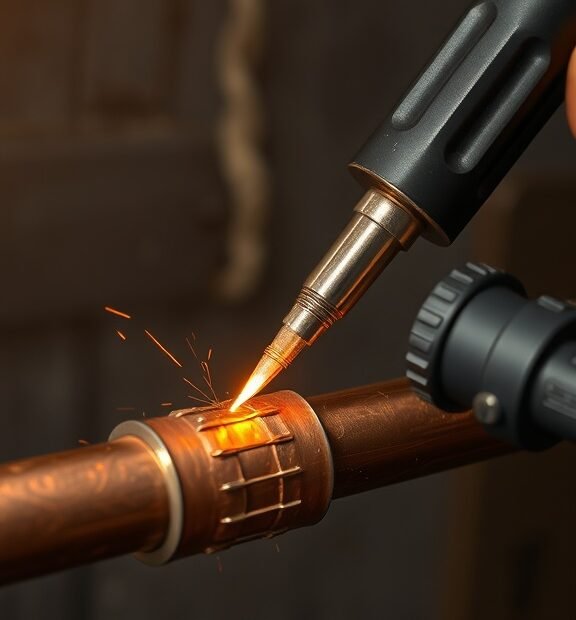
The Benefits and Risks of Using a Soldering Iron on Copper Pipe
When working on plumbing projects, many DIY enthusiasts and professionals consider various tools to handle tasks effectively. One common question is whether you can use a soldering iron on copper pipe. Copper pipes are a staple in plumbing due to their durability and resistance to corrosion. However, knowing the benefits and risks of using a soldering iron in this context is essential for anyone looking to complete a plumbing project safely and efficiently.
Benefits of Using a Soldering Iron on Copper Pipe
Utilizing a soldering iron for copper pipe applications can provide several advantages:
- Precision: A soldering iron allows for accurate heating and application of solder. This precision is crucial in plumbing to ensure secure and leak-free joints.
- Control: With a soldering iron, you can control the heat application, reducing the risk of overheating the pipe. This control is especially important when working on delicate plumbing systems.
- Portability: Soldering irons are generally lightweight and easy to handle, making them a convenient choice for DIY projects or repairs in tight spaces.
- Cost-Effective: Compared to other heating methods, soldering irons are often more affordable and accessible, making them a practical option for homeowners.
- Minimal Setup: Unlike large torches, soldering irons require minimal setup, allowing you to start your work quickly and efficiently.
Risks of Using a Soldering Iron on Copper Pipe
While there are benefits, it’s also critical to understand the potential risks associated with using a soldering iron on copper pipes:
- Insufficient Heat: A soldering iron may not generate enough heat for larger diameter pipes or thicker walls. This could lead to improper soldering, resulting in weak joints that could fail under pressure.
- Heat Spread: The heat from a soldering iron can dissipate quickly in thicker materials, making it challenging to achieve the right temperature needed for solder to flow properly.
- Risk of Damage: If not handled carefully, there is a risk of damaging the copper pipe with excessive heat or burn marks, which can affect its integrity.
- Fumes: Soldering can produce fumes that may be harmful when inhaled. It’s essential to work in a well-ventilated area to minimize exposure.
- Skill Level Required: Using a soldering iron effectively requires a certain level of skill. If you’re inexperienced, mistakes can lead to leaks or complete failure of the joint.
Best Practices for Soldering Copper Pipe
If you decide to use a soldering iron for your copper piping projects, consider these best practices to mitigate risks:
- Clean the Surface: Before soldering, clean both the copper pipe and the fitting with a wire brush to remove any oxidation or debris, ensuring a strong bond during soldering.
- Use the Right Solder: Select the appropriate solder and flux for your project. Lead-free solder is recommended for plumbing to ensure safety and compliance with regulations.
- Work in Sections: For larger pipes, work in smaller sections to focus the heat where it’s needed most.
- Wear Protective Gear: Always wear safety glasses and heat-resistant gloves to protect against burns or splashes.
- Test the Joint: After soldering, allow the joint to cool and then test for leaks by running water through the pipe.
Using a soldering iron on copper pipe can be beneficial if done correctly and under careful consideration of its risks. By understanding both the advantages and challenges, you can make informed decisions, helping you achieve successful plumbing results. Always prioritize safety and quality over speed, ensuring your plumbing systems work efficiently without compromise.
Essential Techniques for Successful Copper Pipe Soldering
Soldering copper pipes is an essential skill for anyone involved in plumbing or DIY projects. Mastering this technique allows you to create strong and reliable connections. However, it can be tricky if you’re not familiar with the steps and tools needed for successful soldering. Below are some essential techniques that will guide you through the process.
Understanding Soldering Basics
Before you begin, it’s important to grasp the fundamentals of soldering. This process involves melting a filler metal, known as solder, to join two or more metal surfaces together, creating a watertight seal.
Choosing the Right Solder
When it comes to soldering copper pipes, the type of solder you choose is crucial. You generally have two options:
- Lead-free solder: Ideal for plumbing projects, this solder complies with safety regulations and is safer for drinking water applications.
- Stay-brite solder: A high-performance silver solder, Stay-brite offers excellent strength and is suitable for challenging conditions.
Gathering Your Tools
Before you start soldering, assembling all necessary tools is key. Here’s a list of items you’ll need:
- Soldering iron or torch
- Copper pipes
- Fitting pieces
- Solder
- Flux
- Wire brush or sandpaper
- Safety goggles
- Soft cloth
Preparing the Pipes
Proper preparation is the cornerstone of a successful soldering job. Begin by cleaning the ends of the copper pipes and fittings using a wire brush or sandpaper. This step removes oxidation and dirt, ensuring a good bond.
Next, apply a thin coat of flux to both the pipe and the fitting. Flux helps to prevent oxidation during the heating process and improves the flow of the solder.
Heating the Joint
With your pipes cleaned and prepped, it’s time to heat the joint. If you’re using a torch, apply heat evenly around the joint until the copper is hot enough. You can test this by touching the solder to the joint; it should melt and flow into the gap without hesitation.
Applying the Solder
Once the joint is heated sufficiently, introduce the solder into the joint. The solder should flow into the gap between the pipe and fitting, creating a solid connection. Don’t apply the solder directly to the heat source; instead, let the heat from the copper melt the solder for better adhesion.
Cooling and Cleaning Up
After you’ve applied enough solder, remove the heat and let the joint cool naturally. Trying to cool it with water can cause a thermal shock, affecting the joint’s integrity.
Once cooled, wipe the joint with a soft cloth to remove excess flux and solder, ensuring a neat finish. Always wear safety goggles during this process to protect your eyes from any solder splashes or heat.
Testing for Leaks
After you’ve completed the soldering, it’s essential to test for leaks. Turn on the water supply slowly and observe the joint. If you see any water seeping through, you may need to reheat the joint and apply more solder.
Safety Precautions
Safety should always be your number one priority when soldering. Here are some essential precautions:
- Always wear safety goggles to protect your eyes.
- Work in a well-ventilated area to avoid inhaling fumes.
- Be mindful of flammable materials nearby and keep a fire extinguisher on hand.
By following these essential techniques, you can successfully solder copper pipes with confidence. Remember that practice makes perfect, so don’t hesitate to practice on scrap pieces before taking on your main project.
Conclusion
Using a soldering iron on copper pipe can be a game-changer for both DIY enthusiasts and professional plumbers. The benefits include precision, portability, and the ability to work in tight spaces, making it a useful tool for various projects. However, it’s vital to stay informed about the risks associated with this technique. Overheating or improper technique might lead to weak joints or even damage to the pipe.
Mastering essential techniques for successful copper pipe soldering not only enhances the quality of your work but also builds your confidence as a craftsman. Practicing clean technique, ensuring proper preparation, and adhering to safety measures are crucial steps to achieving a durable and leak-free bond.
As you embark on your soldering journey, keep in mind that practice makes perfect. Start with smaller projects to familiarize yourself with the tools and methods. Learning to troubleshoot common issues will further strengthen your skills and understand how to achieve the best results.
With this knowledge in hand, you’ll be well-equipped to tackle any copper pipe soldering task that comes your way. Embracing the beneficial aspects while being cautious of the risks will set you on a path toward success. So gather your tools, put on your safety gear, and dive into the world of copper pipe soldering—your next project awaits!