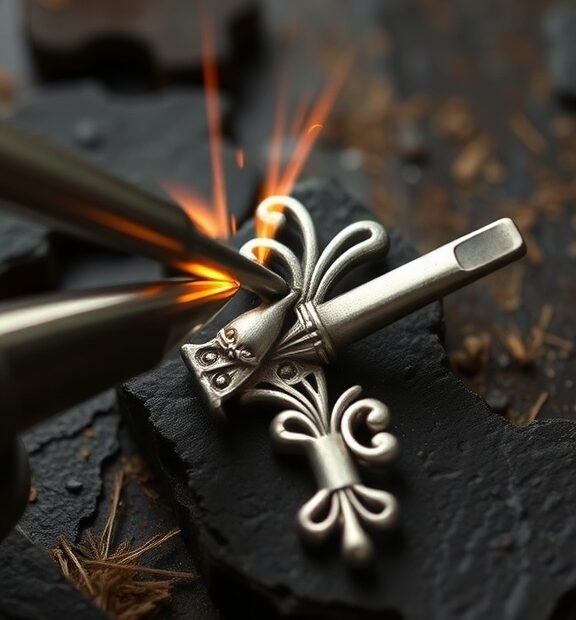
The Feasibility of Soldering Sterling Silver with a Soldering Iron
Soldering sterling silver is a common technique in jewelry making and metal repairs, but can you effectively use a soldering iron for this purpose? Understanding the nuances of such processes is crucial for both hobbyists and professionals alike. While traditional methods often involve more specialized tools, many wonder if a standard soldering iron can do the job.
Soldering sterling silver with a soldering iron is not always the best approach. Sterling silver has a relatively high melting point, specifically around 1,640°F (893°C). Standard soldering irons typically operate at much lower temperatures, usually between 350°F (177°C) and 900°F (482°C). This limitation can make it difficult to achieve a strong and reliable solder joint.
Furthermore, the type of solder you use plays a significant role in the feasibility of using a soldering iron. If you’re aiming for a clean join in sterling silver, you need to select silver solder specifically designed to bond with the metal. Silver solder has varying melting points, and choosing one that matches the capability of your soldering iron is essential.
When using a soldering iron to solder sterling silver, consider the following factors:
- Tip size and type: The tip of the soldering iron should be compatible with the work you’re doing. A fine tip is ideal for precise applications, especially in jewelry.
- Temperature control: If your soldering iron has adjustable temperature settings, it’s beneficial. This allows you to find the optimal heat level for melting the solder without overheating the sterling silver.
- Work surface: Use a heat-resistant work surface. This is vital for protecting your surroundings and maintains a suitable workspace for soldering.
- Technique: Your soldering technique is critical. Apply solder directly to the joint area and allow it to flow. Analyze your movements and be steady, as shaky hands can cause weak connections.
Some may find success in soldering sterling silver with a soldering iron, but it generally requires a lot of practice and the right conditions. It’s not typically recommended, particularly for more intricate designs where the integrity of the joint is crucial. Below are some alternative methods you might consider:
- Using a propane torch: A propane torch can reach much higher temperatures than a soldering iron, making it easier to melt silver solder effectively onto sterling silver.
- Acetylene torch: For precision and high-quality work, an acetylene torch is even more effective but requires safety measures and training.
- Silver soldering kit: Investing in a silver soldering kit can provide you with all the necessary tools, including the high-heat source needed for soldering sterling silver effectively.
In addition, preparation is key when soldering. Clean your sterling silver pieces thoroughly before attempting to solder. Use soldering flux to prevent oxidation, which can hinder the solder from adhering correctly. Clean surfaces ensure a smooth flow of solder, making the joint stronger and more reliable.
Soldering can also be affected by the thickness of the pieces you are working with. Thicker silver may require more substantial heat to ensure the solder flows properly. If you’re working with various gauges, be mindful of how it might impact your soldering technique and tools.
While it is possible to solder sterling silver with a soldering iron, it often is not the most efficient or effective method. Traditional soldering techniques using torches yield better results due to the temperatures involved. If you are new to soldering, starting with a soldering iron may be simple, but don’t hesitate to expand your toolkit as you develop your skills. Understanding these factors will significantly increase your success in soldering sterling silver, resulting in beautifully crafted jewelry and repairs that maintain integrity over time.
Essential Techniques and Tips for Successful Silver Soldering
Soldering silver can be a rewarding experience, whether you are a seasoned jeweler or a beginner looking to dabble in metalwork. Understanding essential techniques and tips for successful silver soldering can greatly enhance your skills and the quality of your projects. Here, we’ll delve into various methods and best practices that will help you achieve excellent results.
Understanding Silver Solder Types
Before you begin soldering, it’s crucial to know the different types of silver solder available. Silver solder comes in various formulations, usually categorized as hard, medium, and easy. Each type has distinct melting points:
- Hard Silver Solder: Melts at a higher temperature, providing a strong joint suitable for items that require durability.
- Medium Silver Solder: Offers a balance between strength and ease of use; ideal for general repairs and creating jewelry.
- Easy Silver Solder: Melts at lower temperatures, making it perfect for delicate work and items with intricate designs.
Choosing the Right Tools
The right tools play a significant role in the success of your soldering project. Here’s a list of essential tools you should have:
- Soldering iron or torch
- Silver solder
- Flux to promote solder flow
- Jewelers saw or cutting tools
- Files for smoothing edges
- Pickle solution for cleaning
- Protective eyewear and gloves
Preparing Your Workspace
A clean, organized workspace makes for more efficient soldering. To prepare:
- Clear your table of unnecessary items.
- Ensure proper lighting.
- Have all your tools within reach.
- Set up ventilation to avoid inhaling fumes.
Preparing the Metal
To achieve strong bonds when soldering, it’s crucial to prepare the metal surfaces properly:
- Clean the surfaces thoroughly to remove oxidation and dirt.
- File edges to create a fit that’s snug and close.
- Apply flux to the areas to be joined. Flux prevents oxidation during heating and aids solder flow.
Soldering Techniques
Now that you are prepared, it’s time to begin the soldering process. Follow these basic techniques for effective results:
- Heating: Use a soldering iron or torch to heat the metal evenly, focusing on the spot to be soldered. Avoid overheating, as this can degrade the silver.
- Adding Solder: Once the metal is adequately heated, touch the solder to the joint. It should melt and flow into the seam created by your prepared edges.
- Cooling: Allow the piece to cool naturally, as rapid cooling can introduce stress.
Finishing Touches
Once the soldering is complete, you’ll want to tidy up your work:
- Use a pickle solution to clean any flux residue.
- File or sand any rough areas to create a smooth finish.
- Polish the piece to achieve a shiny look, enhancing its overall appeal.
Common Mistakes to Avoid
While practicing silver soldering, be mindful of these common mistakes:
- Insufficient cleaning of metal surfaces.
- Using too much or too little solder.
- Overheating the metal, leading to warping or loss of integrity.
With these essential techniques and tips, you’re well on your way to mastering silver soldering. Remember, practice makes perfect. Don’t be discouraged by initial challenges; instead, see them as stepping stones toward refining your skills. Happy soldering!
Conclusion
Soldering sterling silver with a soldering iron is indeed feasible, but it requires a good understanding of the materials and techniques involved. By familiarizing yourself with the right solder type and selecting an appropriate soldering iron, you can achieve strong, lasting joins. Remember that using a soldering iron for sterling silver differs from using a torch, as it relies on lower heat levels, which can be both a benefit and a challenge.
To enhance your soldering skills, focus on essential techniques such as ensuring proper metal cleaning, using flux, and applying heat gradually. It’s important to work on a stable surface and to keep an eye on your soldering iron’s temperature to prevent overheating the silver. Practice is key; the more you work with sterling silver, the more adept you will become.
Don’t forget to safeguard your workspace and yourself by wearing appropriate safety gear. If you find yourself struggling with a project, remember that patience is crucial. Take your time and don’t rush through the soldering process. As you gain experience, you’ll find that soldering sterling silver can be a rewarding and satisfying craft. With the right knowledge and techniques in hand, you can create beautiful jewelry and pieces with confidence, knowing that your soldering skills are solid. Embrace the journey of learning, and each project will enhance your expertise and passion for working with sterling silver.