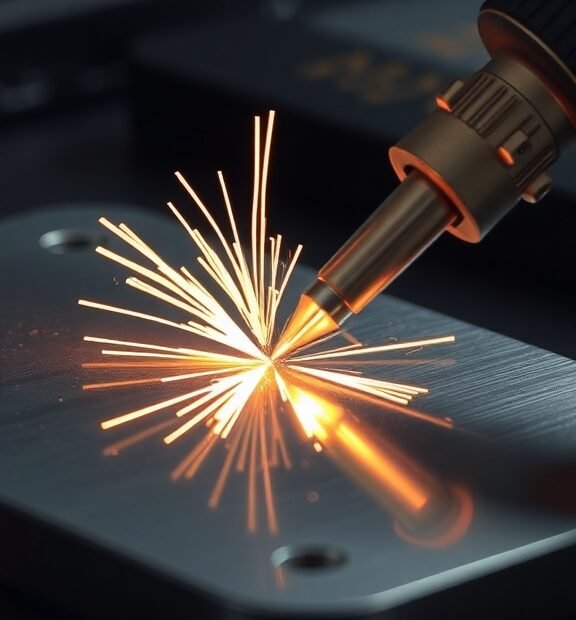
Can You Solder Stainless Steel with a Soldering Iron: Techniques and Considerations
Soldering stainless steel with a soldering iron is a topic that often raises questions among DIY enthusiasts and professionals alike. While soldering is a common technique used for various metals, stainless steel presents unique challenges. You might wonder, can you solder stainless steel with a soldering iron? The short answer is yes, but there are important techniques and considerations you should be aware of to achieve a successful result.
Stainless steel is known for its durability and resistance to corrosion, but these very qualities can make soldering it more difficult than other metals like copper or brass. To begin with, you need to ensure you are using the right tools and materials to get the best outcome. Here are some key items you will need:
- Soldering iron: A soldering iron with a higher wattage (ideally between 60 to 100 watts) is recommended. This is necessary to heat stainless steel adequately.
- Flux: A good quality flux designed for stainless steel is essential. It helps to remove oxidation and improve the flow of solder.
- Solder: Use silver solder or a specialized solder formulated for stainless steel. Conventional lead-based solder won’t work effectively on stainless.
- Cleaning tools: Brass brushes or fine sandpaper can help clean the stainless steel surface before soldering.
Before you start, prepare the stainless steel surfaces by cleaning them thoroughly. Remove any dirt, oil, or oxidation that might hinder the soldering process. The surfaces you intend to solder should have a shiny appearance after cleaning. This essential step enhances the bond and allows the solder to flow better.
Soldering Stations | Easy 60 Day Return
Now, let’s discuss the main techniques for soldering stainless steel with a soldering iron. First, apply flux to the area that you want to solder. Flux is crucial because it prevents oxidization and allows better adhesion of solder. Once the flux is applied, heat the soldering iron and touch it to the area briefly. Then, introduce the solder into the joint. It should melt quickly and form a seamless connection. If the solder doesn’t flow, the metal may not be hot enough, or the joint isn’t clean. Adjust your technique accordingly.
Another aspect to consider is the temperature. Stainless steel requires a higher temperature than many other metals. Ensure that your soldering iron is adequately heated, as inadequate heat will result in poor bonding. It’s a good idea to experiment with a scrap piece of stainless steel first to get the feel of the required heat and soldering time.
Soldering Stations | Easy 60 Day Return
Here’s a basic step-by-step process to help you solder stainless steel:
- Clean both surfaces with the brass brush or sandpaper.
- Apply flux on the cleaned area.
- Heat the soldering iron until it reaches the required temperature.
- Touch the hot tip of the soldering iron to the solder to melt it.
- Add the melted solder to the joint, allowing it to flow over the surfaces.
- Remove the soldering iron and let the joint cool naturally.
After soldering, inspect your work. Ensure the solder has formed a smooth and even joint. If you see gaps or irregularities, you may need to rework the joint. Remember that patience is key when soldering stainless steel; rushing can lead to disappointing results.
Soldering Stations | Easy 60 Day Return
Bear in mind that soldering stainless steel may not provide the same strength or durability as welding. If your project requires a strong and permanent joint, consider welding as an alternative method. For projects where soldering is suitable, understanding the properties of stainless steel and selecting the right materials will lead to more successful soldering efforts.
Yes, you can solder stainless steel with a soldering iron. However, by following these techniques and considerations, you’ll improve your chances of achieving a solid and durable bond. Whether you’re tackling a small repair job or a larger project, mastering soldering on stainless steel can be a valuable skill in your metalworking toolkit.
Alternative Methods for Joining Stainless Steel: When Soldering Isn’t Enough
Soldering stainless steel with a soldering iron can be a daunting task, and often, it becomes clear that traditional soldering methods may not always be effective. Stainless steel has unique properties that can make it difficult to work with, especially when it comes to joining materials. In cases where soldering isn’t sufficient, several alternative methods can be explored to effectively join stainless steel.
Soldering Stations | Easy 60 Day Return
Understanding Stainless Steel
Before diving into alternative joining methods, it’s important to understand the characteristics of stainless steel. It is strong, resistant to corrosion, and has a high melting point. These qualities make it popular in many applications, from kitchenware to construction. However, they also present challenges when trying to solder this metal, particularly because soldering typically requires higher temperatures than what a standard soldering iron can provide.
Alternative Joining Methods
When you find that soldering is not yielding the best results for your stainless steel projects, consider these alternative methods:
Soldering Stations | Easy 60 Day Return
- Tig Welding (Tungsten Inert Gas Welding): Tig welding is one of the most preferred methods for joining stainless steel due to its precision and control. It uses a tungsten electrode to produce a weld. This method is great for thicker materials and provides a clean weld without requiring filler metal. It’s best used by those who have some experience with welding.
- Mig Welding (Metal Inert Gas Welding): Mig welding is efficient for joining stainless steel and is quicker than Tig welding. In this process, a continuous wire feed is used to create the weld while a shielding gas protects the molten material from atmospheric contamination. This method is ideal for both thin and thick sections of stainless steel.
- Spot Welding: This method is commonly used in manufacturing where high-speed production is needed. Spot welding works by applying electrical current to two pieces of stainless steel, creating heat at the point of contact to fuse them together. It’s most effective for small parts and requires specialized equipment.
- Brazing: Brazing involves melting a filler metal to join two stainless steel pieces without melting the base material. The filler metal is typically a brass or silver alloy, which flows into the joint by capillary action. This method is great for joining dissimilar metals and provides strong joints, although the strength may vary depending on the materials used.
- Adhesive Bonding: Epoxy or specialized metal adhesives can be highly effective for joining stainless steel. This method utilizes adhesive that can bond various materials. It’s simple and doesn’t require heat, making it a good choice for DIY applications or delicate projects where welding might be too harsh.
Factors to Consider
When choosing an alternative method for joining stainless steel, there are several factors to consider to ensure the success of your project:
- Thickness of the Material: The thickness of the stainless steel will dictate which method you should use. Thicker materials typically require welding, while thinner materials can often be bonded with adhesives.
- Type of Joint: Depending on whether you need a strong structural joint or a simple assembly, your choice of method may vary. For robust connections, welds might be best, while decorative or less stressed pieces can use adhesives.
- Access and Position: Consideration of your workspace and the position of the materials is critical. Some welding techniques require access on both sides of the joint, while adhesive bonding can often be done from one side.
- Skill Level: Your level of expertise will also play a crucial role in the method you choose. If you are inexperienced with welding, sticking to simpler methods, such as adhesives, may yield better results.
Final Thoughts
While soldering stainless steel with a soldering iron can be challenging, various alternative methods are available to get the job done effectively. By understanding the properties of stainless steel and evaluating your specific project needs, you can choose the right technique that suits your skill level and material requirements. Whether it’s welding, brazing, or adhesive bonding, there’s always the right method to achieve a strong and reliable connection.
Conclusion
When it comes to soldering stainless steel with a soldering iron, it’s essential to understand the limitations and techniques involved. While it’s possible in specific scenarios, using the right materials, such as solder designed for metals, is crucial for achieving a strong bond. Proper surface preparation, including cleaning and possibly pre-tinning, can make the process smoother and more effective. However, if you’re facing thicker materials or complex joints, soldering may not always yield the desired results.
Soldering Stations | Easy 60 Day Return
Exploring alternative methods for joining stainless steel is often necessary when soldering isn’t suitable. Techniques like welding, brazing, or using adhesives can provide stronger and more durable bonds for various applications. Each of these methods has its own set of tools and techniques that cater to different project needs, so it’s beneficial to consider what works best for your specific situation.
Ultimately, knowing when to solder and when to explore other options is key to successful stainless steel projects. By assessing both the material type and the intended use of your finished piece, you can choose the technique that offers the best combination of strength and durability. Whether you decide to use a soldering iron or opt for welding or brazing, careful planning and execution will ensure you achieve the best results, keeping your work efficient and professional.