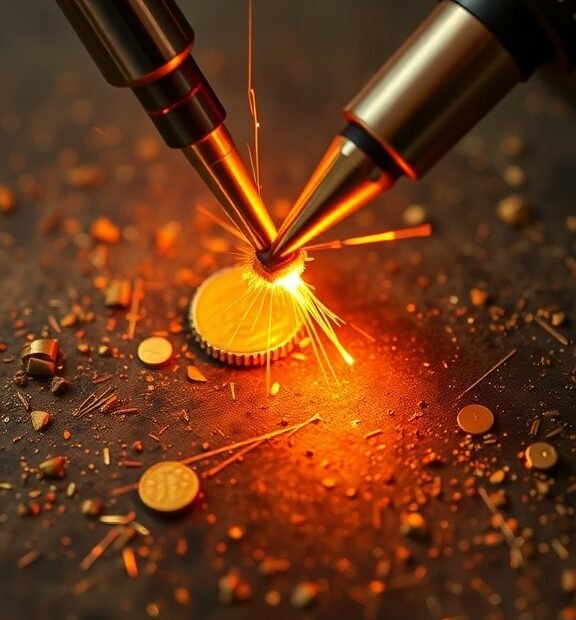
Evaluating the Techniques: Can You Solder Gold with a Soldering Iron?
When it comes to working with precious metals, many hobbyists and DIY enthusiasts often wonder, “Can you solder gold with a soldering iron?” The answer is not a straightforward yes or no; it depends on several factors, including the type of gold, the soldering technique, and the desired result. In this article, we will evaluate the techniques for soldering gold, the equipment needed, and some important tips to ensure success.
Gold is a unique metal with specific properties that influence how it can be soldered. While it is a good conductor of heat and electricity, it also requires favorable conditions for soldering. Here are some critical points to consider when soldering gold:
- Gold Type: The karat value affects the soldering process. Higher karat gold is softer and easier to work with, while lower karat gold may contain additional metals that could complicate the process.
- Solder Type: Use gold solder that matches the karat of your base gold. This ensures a seamless blend and aesthetic appeal in the finished piece.
- Soldering Temperature: Gold has a high melting point, so a standard soldering iron may not provide the necessary heat. However, using a soldering iron with adjustable temperature settings can help achieve the right heat level.
To successfully solder gold, you need specific tools and materials. Here’s a list of what you will need:
- Soldering iron or torch
- Gold solder compatible with your gold piece
- Flux to promote flow and enhance bonding
- Copper or silver for better melting properties (if applicable)
- Pickle solution for cleaning
Using a soldering iron to solder gold can be challenging due to the heat constraints. However, with careful technique, it is possible. Follow these steps to improve your chances of success:
- Preparation: Clean the gold pieces thoroughly. Use a pickle solution to remove any oxidation and grime that could impede solder flow. The cleaner the metal surface, the better the bond.
- Apply Flux: Apply a generous amount of flux to the joint. Flux not only helps to clean the surfaces while soldering but also helps the solder to flow better.
- Heat Evenly: If using a soldering iron, focus on applying heat evenly across the joint. This is crucial for ensuring that the solder melts properly. You can use a small copper piece to distribute heat better.
- Introduce the Solder: Once the area is hot enough, introduce your gold solder to the joint. It should flow easily into the gap created between the two pieces. If not, you may need to adjust the heat.
While soldering gold with a soldering iron is possible, the use of a soldering torch is often more effective. A torch can reach higher temperatures, making it easier to melt the solder and achieve a strong bond. Here’s when to consider using a torch instead:
- Thicker Gold Pieces: If you are working with thicker gold or larger joints, a torch is more suitable due to its ability to provide concentrated heat.
- Complex Designs: For intricate designs that require more precise soldering, a torch offers better control and heat management.
After completing the soldering, allow the piece to cool before placing it in the pickle solution. This step helps clean any residual flux and ensures a bright finish on your gold piece. Be cautious during the cooling process to avoid thermal shock, which can lead to cracks.
While it’s feasible to solder gold with a soldering iron, it requires a mindful approach and the right tools. A soldering torch might be a preferable option for more effective results. Always experiment and practice before tackling more complex projects. By following these guidelines, you can enhance your soldering skills and create beautiful gold pieces safely and effectively.
Alternatives to Soldering Gold: Exploring Other Gold Joining Methods
When it comes to working with gold, the choice of joining methods can greatly influence the quality, appearance, and durability of the final product. While soldering is a traditional approach, there are several alternatives available. Each method has its specific applications and benefits, allowing jewelers and craftsmen to achieve remarkable results without the challenges associated with soldering gold.
One advantage of exploring other methods is that they can often be simpler and less dependent on skill level than soldering, which can require extensive practice. Let’s delve into various alternatives for joining gold, ensuring you can select the best method for your project.
Fusion Welding
One of the most effective alternatives to soldering is fusion welding. This technique involves melting the edges of the gold pieces and allowing them to fuse together as they cool. Fusion welding can provide a very strong joint, ideal for items such as gold rings or bracelets where strength is essential.
- Pros: Creates a seamless connection, resulting in a clean finish.
- Cons: Requires precise temperature control; too much heat can ruin the gold.
Laser Welding
Laser welding is becoming increasingly popular in the jewelry industry. This method uses a highly focused laser beam to melt the gold pieces at the joint. Laser welding is advantageous because it minimizes heat spread, which reduces the chance of damaging surrounding areas. This technique is perfect for intricate pieces or repairs.
- Pros: Highly precise, with minimal distortion of the gold.
- Cons: Requires specialized equipment and training.
Ultrasonic Welding
This innovative technique uses ultrasonic sound waves to create friction and generate heat, effectively joining gold pieces without the need for solder. Ultrasonic welding works best with thin sheets and is excellent for assembling delicate items.
- Pros: Fast and efficient process with a clean result.
- Cons: Limited to specific types of gold jewelry; not suitable for all designs.
Mechanical Joining
If your project allows, consider using mechanical joining methods. Techniques like riveting or using screws can effectively join gold pieces without the need for additional heat. This can be particularly useful for assembly during repairs.
- Pros: No risk of melting the gold, easy to disassemble if necessary.
- Cons: May affect the aesthetic appearance of the piece.
Cold Welding
Cold welding entails placing two gold pieces under pressure without heat. The pressure causes the gold surfaces to bond at a molecular level. This approach can be beneficial for thicker or solid pieces where soldering would not be suitable.
- Pros: No heat distortion, strong bonds created through pressure.
- Cons: Requires precise alignment for an effective bond.
Jewelry Adhesives
An option that is gaining traction in jewelry making is specialized adhesives designed for metal. These adhesives can bond gold effectively and are useful in situations where traditional methods might not work or when filling gaps.
- Pros: Easy to use, no specialized equipment required.
- Cons: Long-term durability can vary; not always a permanent solution.
While soldering is a common method for joining gold, there are many alternatives available, each with unique advantages and challenges. Depending on your specific needs—whether that be the detailed nature of the piece, the strength required, or the aesthetic you’re aiming for—you can select a method that best suits your project. It’s essential to weigh the pros and cons of these alternatives, ensuring a successful outcome for your gold projects. By exploring these options, you may find that one of these methods is perfectly suited for your next jewelry creation.
Conclusion
When it comes to soldering gold, using a soldering iron may not be the best choice. While you technically can solder gold with a soldering iron, the results often fall short compared to other methods. The risk of overheating, the potential for losing the material’s properties, and the possibility of producing weak joints highlight the limitations of this technique. If you’re looking for reliable and durable connections in gold jewelry or electronics, other methods such as laser welding, hard soldering, or even brazing often provide superior results.
Exploring these alternatives can significantly enhance the quality of your work. For instance, laser welding offers precision and less risk of damage to delicate pieces, making it a favorite among jewellers. Hard soldering, on the other hand, allows for strong joints and is often preferred for larger or more structured items.
Choosing the right method depends on the specific join you’re working on and the complexity of your project. It’s vital to assess your options carefully, considering factors like the thickness of the material, desired joint strength, and even the tools available to you. Equipped with this insight, you can make informed decisions in your soldering or joining tasks, ultimately achieving professional-level finishes in your gold projects. Whatever path you choose, remember that the quality of the materials and the techniques you implement will greatly influence the final outcome.