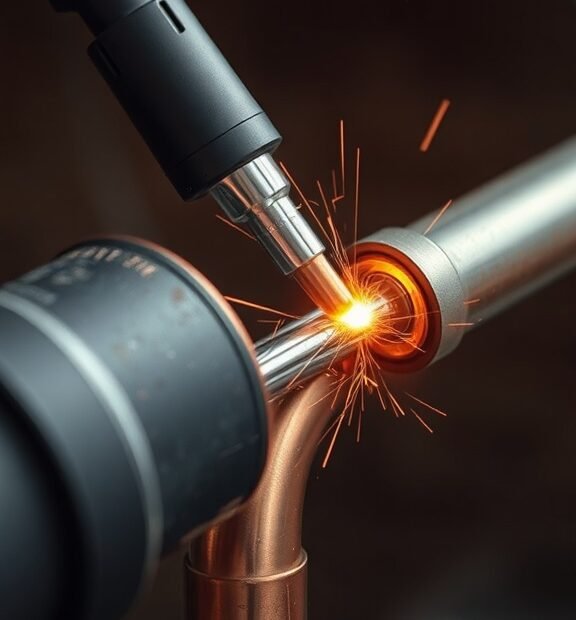
Can You Solder Copper Pipe with a Soldering Iron? Tips and Techniques
Soldering copper pipe is a skill many DIY enthusiasts want to master, especially when tackling home plumbing projects. A common question that arises is whether you can solder copper pipe using a soldering iron. The answer is yes, but there are important details to consider to ensure you get a strong, leak-free joint.
It’s essential to understand how a soldering iron and traditional soldering methods differ. A soldering iron produces less heat compared to the torch used in regular copper pipe soldering. Copper pipe fittings usually require a high temperature to melt solder effectively, allowing it to flow into the joint properly. With that in mind, let’s explore the techniques to use a soldering iron for copper pipes.
Understanding the Tools
Before you start, gather your tools:
- Soldering Iron: Choose one with a minimum wattage of 100 watts. This will produce enough heat to melt the solder.
- Solder: Use a lead-free solder, as it is safer for plumbing applications.
- Flux: This is critical for preventing oxidation of copper. Choose a flux suitable for soldering.
- Cleaning Materials: Use a wire brush or sandpaper to clean the surfaces that will be joined.
- Pipe Fittings: Ensure they are compatible with the size of your copper pipe.
Preparation Steps
Preparation is vital for effective soldering. Here’s how to do it:
- Cut the copper pipe to the desired length, using a pipe cutter or hacksaw. Ensure it’s a clean cut.
- Clean the ends of the pipe and the inside of the fittings with a wire brush. Proper cleaning is key for good solder adhesion.
- Apply flux to the pipe ends and the inside of the fittings. This will help the solder flow and bond effectively.
Executing the Soldering Process
Once everything is prepared, follow these steps to solder copper pipe with a soldering iron:
- Position the pipe fitting onto the pipe, making sure it fits snugly.
- Heat the joint with the tip of the soldering iron. Hold it steady to get the copper hot enough to melt the solder.
- As the joint heats up, touch the solder onto the joint. If done correctly, the solder should melt and flow into the joint. You might need to reposition the soldering iron for uniform heating.
- Once the solder flows around the joint, remove the solder and the soldering iron simultaneously.
- Let the joint cool down naturally without any additional force. Avoid moving the joint until it’s cool to the touch.
Tips for Success
Here are some tips to improve your soldering technique using a soldering iron:
- Keep the Soldering Iron Clean: Make sure the tip of your iron is cleaned regularly to ensure efficient heat transfer.
- Practice on Scrap Pieces: Before trying on a real project, practice on scrap pieces of copper pipe to get comfortable.
- Use the Right Amount of Solder: Too much solder can create a messy joint while too little can lead to leaks.
- Check for Leaks: After the joint has cooled, turn the water back on and check for leaks before closing the wall or floor.
Considerations and Limitations
While it is possible to solder copper pipe with a soldering iron, there are limitations. The soldering iron method may not be as effective for larger diameter pipes or thicker fittings, as they require more heat than a soldering iron can provide. If you are working on bigger or more complex plumbing projects, investing in a propane torch might be a better decision. It offers better control of heat and faster results.
Soldering copper pipe with a soldering iron is feasible under the right conditions and with the right technique. By understanding the tools and the proper methods, you can achieve strong, leak-free joints in your plumbing projects. With practice and adherence to these guidelines, you’ll master this valuable skill!
Comparing Soldering Methods: Soldering Iron vs. Torch for Copper Pipes
Soldering copper pipes is a common task for those involved in plumbing or DIY home improvement projects. When deciding how to solder your copper pipes, two primary methods come to mind: using a soldering iron or employing a torch. Understanding the nuances of each technique can significantly impact the result of your work, so let’s explore what each method entails and what might be best for your specific needs.
Soldering Iron: An Overview
A soldering iron is a handheld tool that heats up to melt solder at a relatively low temperature. This method is often favored for smaller jobs and precision work, such as in electronics or delicate piping systems.
- Ease of Use: Soldering irons tend to be user-friendly. If you’re a beginner or looking for minimal fuss, this might be the ideal choice.
- Temperature Control: Typically, soldering irons reach temperatures ranging from 350°F to 900°F, providing enough heat to melt solder without damaging the pipe.
- Portability: These tools are lightweight and easy to handle, making them great for smaller projects or tight spaces.
- Time-Consuming: One drawback is that soldering with a soldering iron can take longer than using a torch, especially when working with larger pipe diameters.
Torch Soldering: A Closer Look
Using a torch involves a propane or MAPP gas flame to heat the pipe directly. This technique is more powerful and allows for quicker soldering of larger or thicker copper pipes.
- Quick Heating: A torch can heat up a large area quickly, making it ideal for extensive plumbing work.
- Versatility: Beyond just soldering, a torch can also be used for brazing and even for tasks like heat-shrinking tubing.
- Less Control: However, with great power comes the potential for mistakes. It’s easier to overheat the solder or the pipe, risking damage.
- Safety Precautions: Since this method uses an open flame, adequate safety measures must be in place to avoid accidents.
Factors to Consider When Choosing a Method
Your choice between a soldering iron and a torch will depend on several factors:
- Project Size: For large projects or thicker pipes, a torch is typically preferable. For smaller areas and thin pipes, a soldering iron will suffice.
- Your Skill Level: If you’re new to soldering, starting with a soldering iron might be the better choice, as it’s generally easier to handle and control.
- Available Equipment: Consider what tools you already have. If you own a soldering iron, it may make sense to use that instead of investing in a torch.
- Future Projects: Think ahead. If you plan to do a lot of plumbing work, a torch could be a worthwhile investment.
Safety First
Regardless of the method you choose, safety should be your number one priority. Always wear protective goggles and gloves to guard against splashes of molten solder or accidental burns. Keep a fire extinguisher nearby when using a torch, and ensure the work area is clear of flammable materials.
Which Method is Best for You?
There’s no one-size-fits-all answer to the soldering method dilemma. If you’re working on delicate components or smaller pipes, a soldering iron is your best friend. On the other hand, if you need to complete large plumbing tasks quickly, a torch is likely the way to go. Your experience level, project size, and available equipment should weigh heavily in your decision.
Ultimately, both soldering methods have their advantages and suitable applications. Be mindful of your specific needs and your comfort level with the tools to ensure that you achieve the best results for your next copper pipe project.
By weighing the pros and cons of each method, you’ll not only gain a clearer understanding of how to solder copper pipes but also enhance your skills in this essential handyman task. Whether you opt for a soldering iron or a torch, happy soldering!
Conclusion
Making the right choice between a soldering iron and a torch for soldering copper pipes is crucial for achieving strong and reliable joints. While a soldering iron can be used in specific situations, it’s important to recognize its limitations when it comes to larger pipes or demanding tasks. Using a torch offers greater heat and flexibility, allowing for a more efficient and effective soldering process.
If you’re considering soldering your copper pipes, ensure you have the right tools at your disposal. Regardless of the method you choose, proper preparation is key. Cleaning the pipes thoroughly and using the right type of solder will significantly impact the success of your project. A soldering iron may be convenient for small repairs or tight spaces, but for larger jobs, a propane torch could save you time and produce stronger bonds.
Ultimately, whether you decide to go with a soldering iron or a torch, understanding the techniques and best practices is essential. You’ll not only improve your skills but also ensure that your plumbing work stands the test of time. Take your time to practice and familiarize yourself with each method. With the right approach and a little patience, you’ll be well-equipped to tackle soldering copper pipes confidently. Happy soldering!