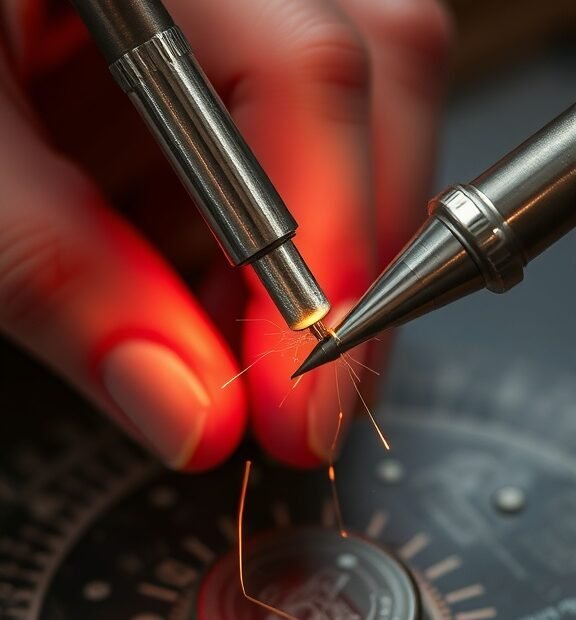
Exploring the Possibility: Can You Silver Solder with a Soldering Iron?
When it comes to metalworking techniques, the question often arises: can you silver solder with a soldering iron? To answer this, we first need to understand the basics of silver soldering and the tools involved. Silver soldering is a specific process used to join metals together by using an alloy that contains silver. This method requires higher temperatures than those typically achievable with a standard soldering iron.
First, let’s look at what makes silver soldering different from regular soldering. The melting point for silver solder is significantly higher, ranging anywhere from about 1100°F to 1450°F (593°C to 788°C). In contrast, a standard soldering iron typically operates at around 350°F to 450°F (177°C to 232°C). This means that a basic soldering iron would likely not provide enough heat to properly melt silver solder, making it ineffective for this purpose.
While using a soldering iron for silver soldering might be tempting due to convenience, the reality is that it can lead to poor results. Here are the key points to consider:
Soldering Stations | Easy 60 Day Return
- Heat Requirement: As noted above, silver solder requires a much higher temperature than a standard soldering iron can provide.
- Joint Strength: Using inappropriate tools can result in weak joints that can break or fail under stress.
- Flux Compatibility: The flux used in silver soldering differs from that used in regular soldering, so using a soldering iron might not adequately prepare the surfaces for soldering.
- Skill Level: Silver soldering typically requires more skill and proper technique than regular soldering, which can complicate the use of a soldering iron.
If you find yourself needing to perform silver soldering, you’ll be better off using a torch or a soldering station capable of achieving the required heat. A propane torch, for example, can easily reach the necessary temperatures, making it an ideal choice for silver soldering tasks. Here’s a brief overview of tools you might consider:
- Propane Torch: This is a popular choice that quickly reaches high temperatures needed for most silver soldering jobs.
- Butane Torch: A more compact option that is also effective for smaller projects, such as jewelry making.
- Oxy-Acetylene Torch: Best for large-scale projects or where a very high temperature is required.
- Soldering Station: While less common for silver soldering, some advanced soldering stations can reach the needed temperatures with specialized tips.
Choosing the right tool not only makes the process easier but also improves the quality of your completed project. If you switch from a soldering iron to a proper torch setup, you can achieve better adhesion between metals and create more durable joints.
Soldering Stations | Easy 60 Day Return
Another important factor to consider in silver soldering is the preparation of the joint. Start with clean, polished surfaces. Any dirt, grease, or oxidation can hinder the process, leading to weak connections. Cleaning the metals thoroughly with a wire brush or fine grit sandpaper is a good practice before you begin soldering.
Moreover, using the proper flux is crucial for successful silver soldering. Unlike the rosin flux found in standard soldering applications, silver soldering often employs a specific type of flux designed to work at higher temperatures. This flux helps prevent oxidation and facilitates a good bond between the pieces being soldered.
Soldering Stations | Easy 60 Day Return
Your standard soldering iron may seem like a handy tool, but it falls short when it comes to silver soldering. The need for higher temperatures, suitable tools, and thorough preparation plays a vital role in the success of your soldering projects. If you are embarking on silver soldering, invest in the right equipment and take the time to learn the proper techniques. By doing so, you can ensure strong, reliable joints that stand the test of time.
The Techniques and Tools Needed for Successful Silver Soldering
Silver soldering is a vital skill in various crafts, including jewelry making and metalwork. Mastering the techniques and tools required for successful silver soldering can significantly enhance the quality of your projects. Here, you’ll discover essential tips to help you get started on your journey.
Understanding Silver Solder
Before diving into techniques, it’s crucial to grasp what silver solder is. Silver solder consists of silver alloy mixed with a flux, which helps the solder flow during the heating process. There are three main types of silver solder:
Soldering Stations | Easy 60 Day Return
- Hard Silver Solder: Highest melting point, suitable for joints that need strong bonds.
- Medium Silver Solder: Melts at a moderate temperature, ideal for general uses.
- Easy Silver Solder: Lowest melting point, great for delicate work requiring less heat.
The Essential Tools for Silver Soldering
To achieve satisfactory results with silver soldering, having the right tools is essential. Here’s a list of must-have tools:
- Soldering Iron: A quality soldering iron that can reach the temperatures required for silver solder is critical. While a standard soldering iron can sometimes work, investing in a torch can yield better results.
- Flux: This helps to prevent oxidation and allows solder to flow smoothly. Use a suitable flux specifically designed for silver soldering.
- Soldering Paste: This is a combination of flux and solder that makes application easier.
- Tweezers and Pliers: For holding pieces in place while soldering.
- Safety Gear: Safety glasses and gloves are essential to protect against accidental burns or splashes.
Techniques for Successful Silver Soldering
Using the right techniques is just as important as having the right tools. Here are some steps to keep in mind:
Soldering Stations | Easy 60 Day Return
- Clean the Metal: Ensure the surfaces to be soldered are clean. Use a wire brush or a pickle solution to eliminate dirt and grease.
- Apply Flux: Generously coat the joint area with flux. This ensures a clean bond and helps the solder to flow.
- Heat the Metal: Instead of directly heating the solder, heat the metal pieces. Once they reach the necessary temperature, the solder will flow into the joint effortlessly.
- Use the Right Amount of Solder: Avoid excessive soldering. A small amount is often all you need for a strong bond.
- Quench the Joint: Once the solder has cooled, quench the joint in cool water. This helps to clean off any residual flux.
- Inspect the Joint: After cooling, check the joint for strength and appearance. A successful joint will be shiny and smooth.
Working with a Soldering Iron
While you may wonder if you can effectively silver solder with a soldering iron, it’s essential to understand the limitations. A soldering iron may not reach the necessary temperature for larger pieces or thicker metals. If working with delicate items or small components, it could work but requires a steady hand and more patience. Using a torch is typically recommended for the best results.
Troubleshooting Common Issues
As with any craft, issues may arise. Here are some common problems and how to deal with them:
Soldering Stations | Easy 60 Day Return
- Insufficient Bond: If the solder fails to bond, check if the metal surfaces were adequately cleaned and if sufficient heat was applied.
- Poor Appearance: A dull finish may indicate the need for proper flux application. Ensure that the right amount of flux is used and that the soldering iron tip is clean.
- Oxidation: If oxidation occurs, consider using an anti-oxidation heating method, allowing you to protect the metal while heating.
Silver soldering can be an enjoyable and rewarding process. With the proper techniques and tools, you can create strong, beautiful pieces that showcase your craftsmanship. Whether you are a beginner or experienced in metalwork, refining your skills in silver soldering is worth the time and effort.
Conclusion
Whether you’re a seasoned craftsman or a curious beginner, understanding the intricacies of silver soldering with a soldering iron opens up a world of possibilities. While traditional methods involve using a torch, you can still achieve impressive results with a soldering iron when equipped with the right techniques and tools.
To successfully silver solder with a soldering iron, you need to pay close attention to your choice of solder, the temperature settings, and how you prepare your materials. Using the appropriate tools, such as a high-quality soldering iron with adjustable temperature, and a suitable flux will enhance your chances of creating strong and durable bonds.
Soldering Stations | Easy 60 Day Return
Additionally, practice makes perfect. Experimenting with smaller projects not only builds your confidence but also hones your skills. You’ll learn about the intricacies of heat transfer and how to effectively manipulate your materials. Remember, patience is key. Each solder joint you attempt brings you one step closer to mastery.
Ultimately, exploring the potential of silver soldering with a soldering iron can expand your creative capacities. Whether you are repairing jewelry, constructing metal art, or working on home improvement projects, mastering this skill can elevate your work. By diving into these techniques, you not only gain valuable insights into metalworking but also open the door to endless creative possibilities. So, gather your tools, take some time to practice, and let your creativity flourish through the world of silver soldering.