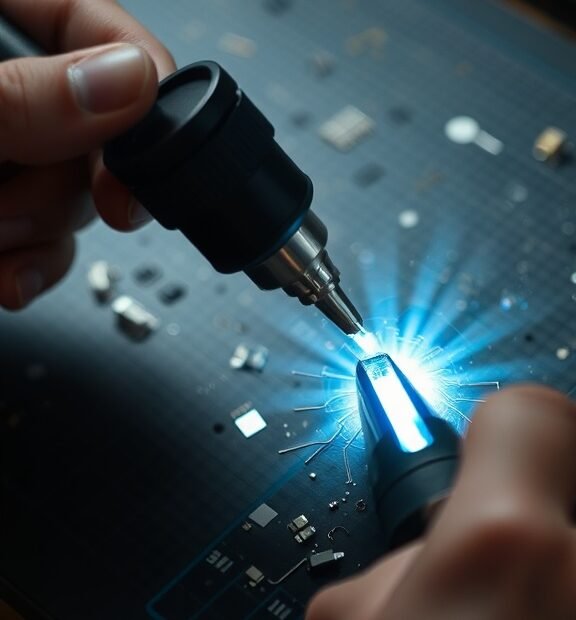
Can You Desolder with a Soldering Iron? Techniques and Tips
If you’re tackling a project that requires removing components from a circuit board, you might wonder, can you desolder with a soldering iron? The answer is yes! A soldering iron is a common tool for both soldering and desoldering tasks. Here’s a quick guide to help you understand how to effectively use a soldering iron for desoldering and share some techniques and tips to ensure your project goes smoothly.
Using a soldering iron to desolder involves melting the solder that connects your electronic components. When the solder is molten, you can remove the components without damaging the circuit board. Here’s how to do it:
Essential Tools
Before you begin, gather the following tools:
Soldering Iron Kits & Accessories
- A soldering iron
- Solder wick or desoldering pump
- Flux (optional, but can help)
- Safety goggles
- A damp sponge or brass sponge for cleaning the soldering iron tip
Technique Overview
To desolder with a soldering iron effectively, follow these straightforward steps:
1. Prepare Your Area
First, ensure you have a clean and well-lit workspace. Gather all necessary tools and wear safety goggles to protect your eyes from potential solder splashes.
Soldering Iron Kits & Accessories
2. Heat the Soldering Iron
Plug in your soldering iron and allow it to heat up. A temperature between 350°C to 400°C (662°F to 752°F) is generally effective for most soldering tasks.
3. Apply Flux
If you have flux, apply a small amount on the solder joint. This helps heat transfer and can make it easier to remove the solder.
Soldering Iron Kits & Accessories
4. Contact the Solder Joint
Place the tip of the soldering iron against the solder joint you want to desolder. Hold it there briefly until you see the solder begin to melt. This should usually take only a couple of seconds.
5. Remove the Solder
With the solder now molten, use one of two methods to remove the solder:
Soldering Iron Kits & Accessories
- Using a Desoldering Pump: Quickly place the pump tip over the molten solder and press the button to create a vacuum. This will suck the solder into the pump.
- Using Solder Wick: Place the solder wick over the solder joint and then put the soldering iron on top. The heat will melt the solder, and the wick will absorb it.
6. Remove the Component
Once the solder has been removed, carefully lift the component from the board. Be gentle to avoid damaging the board’s pads.
7. Clean Up
After desoldering, clean your soldering iron tip with a damp sponge and make sure to tidy up the area.
Soldering Iron Kits & Accessories
Additional Tips for Successful Desoldering
To enhance your desoldering experience, consider these tips:
- Keep your soldering iron tip clean and well-tinned. A dirty tip can cause heat to transfer inefficiently.
- Practice on scrap circuit boards before working on valuable components.
- If the solder is not melting, your iron may not be hot enough, or there may be too much solder.
- If components are stubborn, apply a bit more heat and use a small amount of fresh solder to help break the connection.
Desoldering with a soldering iron can seem daunting, but with practice and patience, you’ll find it to be an essential skill in electronics repair and assembly. Whether you’re working on hobby projects or professional repairs, mastering the art of desoldering will save you time and help you achieve cleaner, professional-looking results. With each component you successfully remove, your confidence will grow, empowering you to take on even more complex projects in the future.
Safety Precautions to Consider When Desoldering Electronics
Desoldering is a vital skill in electronics repair and modification. While it can save you money and extend the life of your devices, it is essential to prioritize safety during the process. This guide highlights key safety precautions you should take to protect yourself and your workspace when desoldering electronic components.
Soldering Iron Kits & Accessories
Wear Protective Gear
Your safety is paramount. Begin by wearing protective gear to minimize the risk of injury.
- Safety Glasses: Protect your eyes from accidental solder splashes or fumes.
- Heat-Resistant Gloves: These will shield your hands from burns caused by high temperatures.
- Mask or Respirator: Many solders release harmful fumes. Using a mask can help reduce inhalation risks.
Work in a Well-Ventilated Area
Good airflow is crucial. Ensure that the area where you desolder is well-ventilated. This helps to disperse toxic fumes from the solder and any flux applied. Open windows or use fans to enhance air circulation.
Soldering Iron Kits & Accessories
Use a Proper Workspace
Your workspace should be organized and free of clutter. Here are some tips to set up a safe environment:
- Stable Surface: Use a solid, heat-resistant workbench to prevent accidental spills or falls.
- Personal Space: Keep your work area clear of unnecessary tools to avoid distractions and accidents.
- Grounded Surface: If working with sensitive electronics, consider using an ESD (Electrostatic Discharge) mat to protect components from static electricity.
Handle Tools Carefully
Using the right tools not only makes desoldering easier but also safer. Some essential tools include:
Soldering Iron Kits & Accessories
- Soldering Iron: Make sure it is in good condition. Check the tip for corrosion or damage, as this can affect efficiency and safety.
- Solder Wick or Desoldering Pump: These tools help remove solder more efficiently, reducing the risk of burns.
- Pliers: Use them to grasp hot components instead of your fingers.
Mind Electrical Safety
Before starting the desoldering process, make sure to follow these electrical safety guidelines:
- Unplug Devices: Always disconnect power from the device you are working on to avoid electric shocks.
- Discharge Capacitors: Capacitors can hold a charge even when the device is powered off. Safely discharge any capacitors to prevent shocks.
- Check for Voltage: Use a multimeter to ensure that no residual voltage remains in capacitors or other components.
Be Cautious with Solder
Solder can be hazardous if mishandled. Consider these points:
Soldering Iron Kits & Accessories
- Lead Safety: If you are using lead-based solder, wash your hands thoroughly after handling it since lead is toxic.
- Temperature Awareness: The soldering iron can reach extremely high temperatures. Be cautious when moving it around your workspace.
- Avoid Inhalation: If you notice an unpleasant smell while soldering, stop and ensure proper ventilation immediately.
Have First Aid Ready
Even with precautions, accidents can happen. Prepare a basic first aid kit in your workspace. This kit should include:
- Burn cream or ointment for minor burns.
- Band-aids or dressings for cuts or scrapes.
- An antiseptic wipe to clean wounds.
By following these safety precautions when desoldering electronics, you can significantly reduce the risk of injury and ensure a smoother repair process. Always prioritize safety and take your time, allowing you to enjoy the rewarding experience of electronics repair while maintaining a secure environment.
Conclusion
Desoldering with a soldering iron is not only possible but also a valuable skill for anyone involved in electronics repair or DIY projects. By mastering various techniques, from the use of desoldering pumps to soldering wick, you can efficiently remove unwanted components without damaging your circuit board. Each method has its advantages, so experimenting with them will allow you to discover what works best for your specific projects.
Soldering Iron Kits & Accessories
However, as you embark on your desoldering journey, never overlook the importance of safety precautions. Always wear safety goggles to protect your eyes from solder splashes and ensure that you work in a well-ventilated area to avoid inhaling harmful fumes. Additionally, be mindful of the heat generated by the soldering iron; using heat-resistant gloves can prevent burns and injuries.
Taking the time to learn and apply both effective desoldering techniques and essential safety measures will enhance your skill set and boost your confidence in electronics work. Remember, practice makes perfect, so don’t hesitate to hone your skills on scrap boards before tackling more significant projects. Whether you’re fixing a device or upgrading components, the ability to desolder correctly can save you time and money while keeping your work area safe. Embrace the challenge and enjoy the process, as mastering desoldering can open up new possibilities in your electronic endeavors.