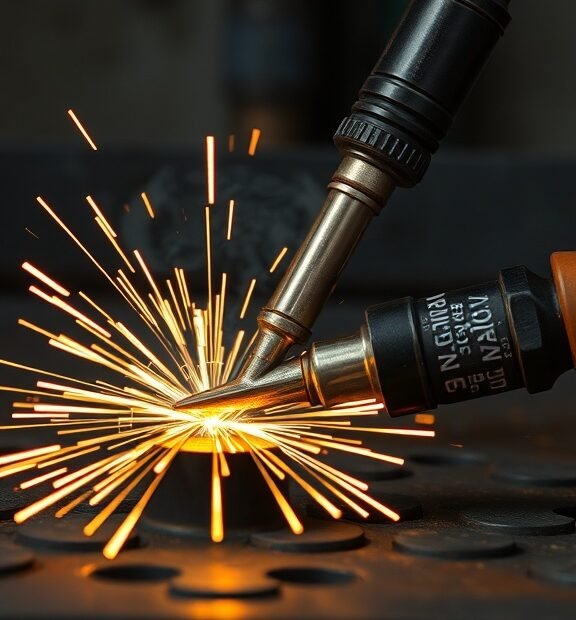
Can I Use a Soldering Iron to Weld Metal: Understanding the Limitations and Alternatives
Many hobbyists and DIY enthusiasts often find themselves wondering if they can use a soldering iron to weld metal. The idea might seem appealing due to the accessibility and convenience of a soldering iron. However, there are important considerations to keep in mind before diving into this alternative welding method.
A soldering iron is a tool primarily designed for joining small electronic components. It operates at relatively low temperatures, typically ranging from 350°F to 450°F (about 180°C to 230°C). While this is sufficient for soldering electronics, it may not be adequate for welding metal, which requires higher temperatures to effectively bond materials.
Here are the main reasons why using a soldering iron for welding metal has its limitations:
Soldering Iron Kits & Accessories
- Insufficient Heat: Welding requires reaching high temperatures, sometimes exceeding 1,000°F (over 540°C) for materials like steel. A soldering iron generally cannot produce this level of heat.
- Metal Thickness: The thickness of the metal significantly affects the welding process. A soldering iron typically cannot penetrate thick metals, leading to weak and ineffective joints.
- Type of Metal: Different metals have varying melting points. Some metals, like aluminum, require specialized welding techniques and cannot be effectively joined with a soldering iron.
- Cooling and Strength: The cooling process after welding is crucial for strength. A soldering iron does not provide the same control over cooling times as traditional welding methods.
Despite these limitations, you might wonder if using a soldering iron could still have some applications. While it is not advisable for welding heavy materials, a soldering iron can be useful in specific scenarios:
- Thin Metal Sheets: For very thin sheets, a soldering iron might be used for small repairs, but results will be less durable than traditional welding.
- Jewelry Making: Hobbyists in jewelry making may use a soldering iron for specific tasks, but specialized soldering techniques would be more suitable.
So, if a soldering iron is not the best tool for welding metal, what alternatives exist? Here are a few commonly used methods:
Soldering Iron Kits & Accessories
- MIG Welding: Metal Inert Gas (MIG) welding is popular for its adaptability and speed. It is suitable for various metals and thicknesses.
- TIG Welding: Tungsten Inert Gas (TIG) welding provides precision and control, making it ideal for detailed work and thinner materials.
- Stick Welding: Also known as Shielded Metal Arc Welding, stick welding is versatile and can handle thicker materials.
Choosing the right welding method depends on your specific project requirements, including the type of metal, thickness, and desired strength of the joint. Always prioritize using the appropriate tools for your welding tasks to ensure durability and effectiveness.
It’s also essential to keep safety in mind when handling metalworking tools. Whether you are soldering or welding, wearing protective gear, including gloves and goggles, can help prevent injuries. Additionally, working in a well-ventilated space is crucial to avoid inhaling harmful fumes.
Soldering Iron Kits & Accessories
If you’re new to welding, consider taking a class or seeking guidance from experienced welders. Engaging with a community of skilled workers can provide valuable insights and techniques that make your welding projects not only successful but also enjoyable.
While a soldering iron is not suitable for welding metal due to its limitations in heat and effectiveness, understanding these constraints allows you to make informed decisions on the appropriate tools for your metalworking needs. Explore the alternatives like MIG, TIG, and stick welding for robust and professional results that can handle more demanding projects.
The Best Tools for Welding Different Types of Metal: A Comprehensive Guide
Welding various types of metal requires an understanding of the best tools available for each job. Each metal has its unique characteristics, and choosing the right welding method and equipment is crucial for achieving strong, lasting bonds. Here’s an overview of the best tools suited for different types of metal welding.
Soldering Iron Kits & Accessories
MIG Welding Equipment
MIG (Metal Inert Gas) welding is known for its speed and ease of use, making it ideal for beginners and professionals alike. It works well on a variety of metals, including:
- Steel
- Aluminum
- Stainless Steel
The key tools involved in MIG welding include:
Soldering Iron Kits & Accessories
- MIG Welder: Select a machine capable of handling the thickness of the metal you’ll be working with.
- Filler Wire: Ensure you have the right type for the metal you are welding, such as ER70S-6 for mild steel.
- Gas Cylinder: Use a mix of Argon and CO2 for optimal results.
- Welding Helmet: A quality auto-darkening helmet improves safety and visibility.
TIG Welding Tools
TIG (Tungsten Inert Gas) welding offers precision and control, making it an excellent choice for thinner materials. It works wonderfully with:
- Stainless Steel
- Aluminum
- Copper
Essential tools for TIG welding include:
Soldering Iron Kits & Accessories
- TIG Welder: Look for an inverter-based model for effortless voltage control.
- Tungsten Electrodes: Choose the right size and type based on the metal.
- Filler Rod: Use a filler rod that matches the base metal.
- Protective Gear: Invest in gloves, shoes, and a high-quality helmet for safety.
Stick Welding Gear
Stick welding, or SMAW (Shielded Metal Arc Welding), is one of the most versatile welding methods, capable of handling various metals like:
- Mild Steel
- Cast Iron
- Nickel Alloys
The main tools for stick welding include:
Soldering Iron Kits & Accessories
- Stick Welder: Choose a manual or inverter welder based on your power requirements.
- Electrodes: Select according to material thickness and type; E6011 and E7018 are popular choices.
- Protective Equipment: Use a heavy-duty welding helmet, gloves, and long sleeve clothing to shield yourself from sparks and UV rays.
Flux-Cored Arc Welding (FCAW) Tools
Flux-cored arc welding is similar to MIG welding but uses a tubular wire filled with flux, making it effective for outdoor work. It’s commonly used for:
- Steel Fabrication
- Shipbuilding
- Construction
The necessary tools for FCAW include:
Soldering Iron Kits & Accessories
- FCAW Welder: Opt for a dual shielding gas setup for better penetration and quality.
- Flux-Cored Wire: Ensure compatibility with the materials you are welding.
- Ventilation Gear: Adequate breathing protection is essential due to smoke and fumes generated.
Choosing the Right Tool for Your Project
Selecting the best welding tool depends on various factors, including:
- The type of metal
- The thickness of the material
- Your skill level and experience
- Where the welding will take place (indoors vs. outdoors)
Consider these factors carefully to ensure you achieve the best results with your welding projects. Taking the time to understand which tools to use for specific metals can make a significant difference in your welding efficiency and the durability of your finished product.
Soldering Iron Kits & Accessories
Remember, always prioritize safety by using the appropriate protective gear and ensuring a well-ventilated workspace. Investing in high-quality tools and materials not only enhances your projects but also prolongs the life of your equipment and ensures successful welding outcomes.
Conclusion
Using a soldering iron to weld metal might seem like an easy solution, but it’s important to understand the limitations of this tool. Soldering irons are primarily designed for joining electronic components with low-temperature solder, making them ineffective for welding metals that require higher heat levels and stronger bonds. If you’re serious about metalworking, you’ll want to invest in specialized welding equipment tailored to the type of metal you’re working with.
For instance, MIG (Metal Inert Gas) and TIG (Tungsten Inert Gas) welding are excellent choices for many types of metal, offering the needed heat and precision. These welding methods provide a stronger and more durable connection than anything a soldering iron can achieve. Each tool has unique advantages, so knowing which one to choose can help you achieve the best results for your project.
Soldering Iron Kits & Accessories
Consider factors like the material you are working on, the thickness of the metal, and the connection strength required. High-quality welding tools will not only enhance your craftsmanship but also ensure safety during your projects.
Ultimately, while soldering irons have their place in the world of DIY repairs and electronics, they’re not a substitute for proper welding tools when it comes to metals. Investing in the right equipment is crucial for successful and safe metalworking. By choosing the appropriate tools for your specific needs, you’ll find achieving high-quality welds much more manageable and rewarding. Now that you have a better understanding of your options, you can make informed decisions for your welding and metalworking projects.