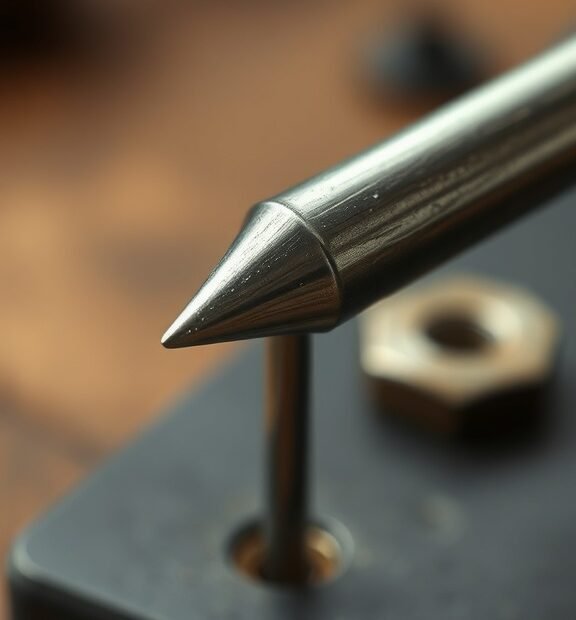
Exploring the Feasibility of Using a Nail as a Soldering Iron Tip
When working on electronics projects or crafting, you might find yourself in a situation where you need a soldering iron, but it’s just not available. In such moments, you might wonder, “Can I use a nail as a soldering iron tip?” This question sparks curiosity, especially among DIY enthusiasts who are looking for quick solutions. Let’s explore this idea further.
First off, let’s understand what a soldering iron does. A soldering iron heats up and melts solder — a metal alloy that joins electrical components together. It’s crucial for creating a secure electrical connection. The tip of the soldering iron is that part that gets hot and applies heat directly to the solder and components. Now, can a nail serve that purpose?
The answer is both yes and no, depending on the context and the specific need you are trying to fulfill. Using a nail as a soldering iron tip can work in very limited cases, but it comes with significant caveats. Here are some things to consider:
Heat Conductivity
Nails are made of steel or iron, both of which can conduct heat. However, they are not as effective as conventional soldering iron tips, which are often made from copper. Copper has excellent thermal conductivity, allowing it to transfer heat quickly and uniformly. A nail may not reach the required temperature efficiently and may take longer to heat up.
Surface Area and Shape
The shape and surface area of a soldering tip are crucial for effective soldering. A typical soldering iron tip is designed to facilitate solder application precisely. A nail, being round and often with a smooth surface, may not provide the best interface for soldering. This shape can lead to poor heat transfer and less control over the soldering process.
Potential Issues to Watch
- Heat Retention: Nails can dissipate heat quickly, making it difficult to maintain the necessary temperature.
- Melting Solder: If the nail doesn’t reach the right temperature, it might not melt the solder properly, leading to weak connections.
- Oxidation: Over time, nails can oxidize, creating a layer that diminishes their ability to conduct heat effectively.
- Control: Using a nail doesn’t offer the control you’d have with a traditional soldering iron, which can lead to messy solder joints.
Best Practices for Using a Nail
If you find yourself in a pinch and decide to use a nail, here are some practical tips to improve your chances for success:
- Choose the Right Nail: Opt for a larger nail with a thicker gauge. This will help it retain heat longer.
- Clean the Nail: Make sure the nail is clean and free from rust or oil. This will enhance heat transfer and improve the soldering process.
- Use a Heat Source: Make sure you have a suitable heat source that can efficiently heat the nail. A butane torch or a stove could work but should be handled with caution.
- Test First: Before attempting to solder any important components, practice on scrap material to see how well the nail performs.
Alternatives to Consider
Before resorting to a nail, consider some alternatives that might be more effective:
- Use a Lighter: In extreme urgency, some people use a lighter to heat items like a wire or metal rod as a DIY soldering tool.
- Borrow One: Ask a neighbor or friend if they have a soldering iron you could borrow.
- Purchase a Budget Iron: Invest in an inexpensive soldering iron. They are widely available and can be found at most hardware stores.
While it’s technically possible to use a nail as a soldering iron tip, it may not provide the best results. The lack of efficiency, control, and precision that comes with traditional soldering tips can hinder your project. Always prioritize efficiency and safety when working on your electronics, and consider investing in proper tools when you can. Ultimately, having the right equipment will save you time and frustration while achieving better results.
Alternatives to Improvised Soldering Iron Tips for DIY Projects
When you’re working on DIY electronics projects, it’s common to find yourself needing a soldering iron to make connections between components. However, there are times you might not have the right soldering iron tip handy. Are there alternatives that can serve the same purpose? Let’s explore some practical options you can consider for improvised soldering iron tips.
One of the most popular alternatives is using a copper wire. Copper is an excellent conductor of heat, making it a suitable replacement for a soldering iron tip. To use this option, cut a small length of copper wire and wrap one end around the tip of your existing soldering iron. This approach is easy and effective. Just ensure that it’s tightly wrapped to avoid any risk of it coming loose while you work.
Another option is a metal screwdriver. Many people have a spare screwdriver lying around, and this tool can be surprisingly efficient for small soldering jobs. Simply heat the metal tip of the screwdriver with your soldering iron, and once it’s hot enough, you can use it to melt solder and join wires or components. It’s crucial to remember that you should only use screwdrivers that are heat-proof to avoid damaging the handle.
Using a paperclip is another quick fix. Simply unfold it to make a straight line, and then bend one end into a small loop or curve. This will create a rough tip that you can use for soldering. Once heated, it allows you to hold and apply solder effectively. Just keep in mind that a paperclip may not withstand high temperatures for long, so this option is best used for smaller, less intensive projects.
Another alternative involves a nail as a soldering iron tip. A common question arises: can I use a nail as a soldering iron tip? Yes, you can! A commonly used nail, especially if it’s a larger gauge, can work quite well. Just heat the nail with your soldering iron and use it to apply solder when needed. The key is to ensure that the nail is clean, as any residue can affect the quality of the solder joint.
Wire brushes are useful tools in many DIY projects. If you happen to have a wire brush, you can use one of its bristles as a soldering tip. Make sure the bristles are sufficiently thick to carry the solder effectively. This option is particularly helpful for jobs that require precision, as the thinner bristles can often reach small places.
Additionally, you can consider using a heat gun. Although not a direct replacement for a soldering iron, heat guns can effectively melt solder in certain applications. They are especially useful for larger soldering tasks or when working on circuit boards that may be sensitive to direct heat application. Remember to control the airflow and temperature, as excessive heat can cause damage to components.
Using a small piece of metal tubing is another clever trick. If you have any leftover copper tubing or brass tubing from past projects, cut a short segment and heat it with a flame until it reaches a high temperature. The open end can then be used as an improvised soldering tip. As with other methods, ensure that you’re working safely and that the tubing is firmly secured while soldering.
- Copper wire: Wrap around the soldering iron tip for effective heat transfer.
- Metal screwdriver: Heat the tip to melt solder; ensure it’s heat-proof.
- Paperclip: Straighten and bend for a temporary soldering tip.
- Nail: Clean and heat for soldering; widely accessible tool.
- Wire brush bristles: Use bristles for precision soldering.
- Heat gun: Ideal for delicate or larger projects needing heat application.
- Metal tubing: Heat a segment cut from tubing for soldering.
Improvised soldering iron tips can significantly aid you in navigating your DIY projects when you’re lacking specialized tools. While each substitute has its pros and cons, being resourceful and creative can save you time and effort. Just remember to prioritize safety while soldering and ensure that any materials used can withstand the heat without causing damage or releasing harmful substances. Whether you opt for a nail or a simple paperclip, you can effectively tackle your projects without needing to make a trip to the store for a new soldering tip.
Conclusion
Using a nail as a soldering iron tip is an intriguing idea and a testament to DIY ingenuity. While it may seem possible, there are significant drawbacks to consider. Nails are not designed to handle the specific temperatures required for effective soldering. They can lead to inconsistent results and might even damage your electronic components. The risk of poor conductivity and inadequate heat distribution makes nails an impractical choice in most situations.
When embarking on DIY projects, the best route often involves using appropriate tools designed for the task. Investing in a proper soldering iron or finding alternatives, such as using a soldering iron tip from a household item, can greatly enhance your work. For those on a budget, there are affordable soldering iron options available that will provide better results than a makeshift solution.
Ultimately, while creativity is a vital part of DIY culture, it’s essential to weigh the effectiveness and safety of your tools. Using an improvised soldering iron tip may save you some time or money, but the long-term benefits of utilizing the right equipment far outweigh the temporary convenience of a nail. By focusing on suitable tools, you can ensure more reliable soldering results and boost the success of your projects. Whether you’re a beginner or an experienced DIY enthusiast, choosing the right equipment is key to achieving quality results and enjoying the process without frustration.