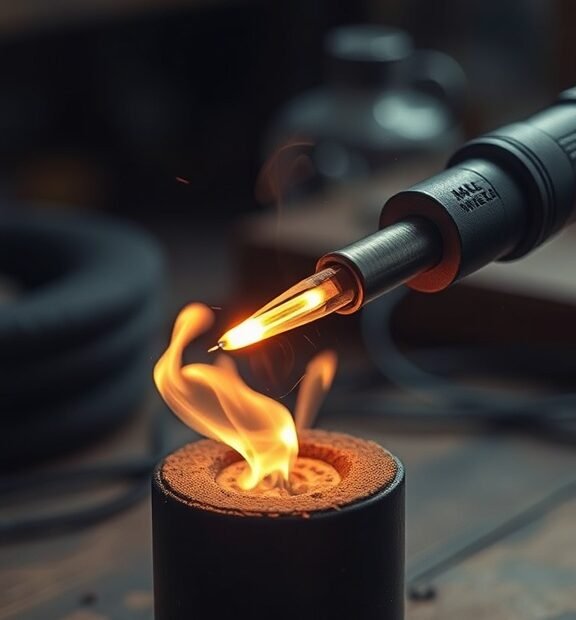
Exploring the Feasibility: Can a Wood Burner Be Used as a Soldering Iron?
When it comes to DIY projects or electronic repairs, you might wonder about the tools you have available. One curious question is whether a wood burner can double as a soldering iron. Both tools serve different primary purposes, yet they share some similarities in function and heat application. Let’s dive into the feasibility of using a wood burner for soldering tasks and see if it can be a viable alternative.
A wood burner, also known as a pyrography tool, heats up to create designs on wood. Its tip can reach high temperatures, making it quite effective for burning or “writing” on various surfaces. On the other hand, a soldering iron is specifically designed to melt solder, connecting electronic components securely. Understanding how both tools operate will help clarify their potential interchangeability.
Temperature Comparison
One of the first factors to consider is the temperature each tool can reach. A standard soldering iron typically ranges from 300°F to 900°F (about 149°C to 482°C). A wood burner, while it can reach similar temperatures, often varies based on the type and design of the tool. Here’s how they stand:
Soldering Iron Kits & Accessories
- Soldering Iron: Generally heats quickly and maintains a consistent temperature suitable for electronic soldering.
- Wood Burner: Can take longer to heat and might fluctuate in temperature depending on usage and type of tip.
If your wood burner can maintain a steady temperature within the required range, it might work for soldering small electrical joints or repairing circuit boards. However, be aware that a wood burner isn’t specifically calibrated for this task, which could lead to inconsistent results.
Precision and Control
Another important consideration is the level of precision that each tool offers. A soldering iron is designed to provide fine control over solder application, allowing you to solder small components accurately. In comparison, a wood burner might struggle with precision due to its broader tips designed for woodwork rather than soldering.
Soldering Iron Kits & Accessories
When using a wood burner, be aware of how its tips may not fit into tight spaces as easily as a soldering iron tip would. If you are working on a project with delicate components, it may be wise to stick to the proper soldering iron for better control.
Safety Concerns
Using a wood burner as a soldering iron requires caution. The high temperatures involved can pose safety risks if not handled properly. Here are a few safety tips for using a wood burner for soldering:
Soldering Iron Kits & Accessories
- Protective Gear: Always wear safety goggles and heat-resistant gloves to protect yourself from burns.
- Ventilation: Work in a well-ventilated area to avoid inhaling fumes that might be produced from heated solder.
- Secure Work Area: Ensure your workspace is free of flammable materials to prevent accidental fires.
Each time you handle your tools, think about safety first. This ensures you have a fun and accident-free experience while soldering.
Material Compatibility
Another aspect to consider is the type of materials you will be working with. Solder usually consists of a mix of tin and lead or other metals. It’s critical to ensure that your heat source is appropriate for the materials. A wood burner may not provide even heating across critical solder joints, potentially leading to weaker connections.
Soldering Iron Kits & Accessories
If you plan to use a wood burner for soldering, consider the following:
- Material Type: Check if the solder you are using requires specific heat levels that a wood burner may not sustain.
- Project Scale: For small repairs or hobby projects, a wood burner might be an acceptable workaround. However, for larger projects or precise electronics, it’s best to use a proper soldering iron.
Ultimately, while a wood burner can be used as a soldering iron in a pinch, it’s not recommended for consistent or professional work. If you frequently engage in soldering tasks, investing in a good soldering iron will yield better results and greater reliability over time.
Soldering Iron Kits & Accessories
For simple DIY tasks or crafty projects, having a wood burner handy can be useful. Just be mindful of its limitations and the potential challenges that may arise while using it for soldering. Always put safety first, and enjoy the creative process!
Alternative Tools for Soldering: Comparing Wood Burners and Traditional Soldering Irons
When it comes to soldering, many people rely on traditional soldering irons. However, if you are looking for alternatives, you might wonder, “can a wood burner be used as a soldering iron?” This question leads to an interesting comparison between these two tools. Both serve unique purposes, yet they have similarities that make them interchangeable in certain situations.
To start with, let’s look at what each tool does:
Soldering Iron Kits & Accessories
- Soldering Iron: This tool uses a heated metal tip to melt solder, allowing you to join metal pieces together. It typically has a specific temperature range optimized for soldering electronic components.
- Wood Burner: Also known as a wood burning tool or pyrography pen, it uses a heated metal tip to burn designs into wood. However, it can also reach temperatures sufficient to melt solder.
So, can a wood burner effectively work as a soldering iron? The short answer is yes, but there are important considerations.
Temperature Control
One key factor in any soldering task is temperature control. Traditional soldering irons offer variable temperature settings. You might enjoy a lower temperature for delicate work or a higher temperature for more robust connections. On the other hand, many wood burners come with limited settings, which may not give you the precision you need for intricate soldering tasks.
Soldering Iron Kits & Accessories
Tip Design and Size
The design and size of the tips for these tools also differ significantly. Soldering irons typically have tips that are designed for maximum heat transfer and precision. In contrast, wood burners often come with various tips designed for burning patterns in wood, not necessarily for soldering. You can, however, find specific tips for wood burners that mimic those of soldering irons—but they are less common.
Using a Wood Burner for Soldering
If you decide to use a wood burner to solder, here are some tips to help you achieve the best results:
Soldering Iron Kits & Accessories
- Choose the Right Tip: Make sure to select a fine-tipped end to get the most precision when soldering.
- Check Temperature: Start at a lower temperature and gradually increase it as needed. This helps avoid damaging components or causing unwanted overheating.
- Practice: Before working on actual projects, practice on scrap materials. This will help you get the feel of how the wood burner handles solder.
While you can use a wood burner as a soldering iron, you should always consider the specific project you’re working on. For delicate electronics, a traditional soldering iron might be the superior option due to its temperature consistency and tip design.
The Pros and Cons
To provide a clearer picture, here’s a simple breakdown of the pros and cons of using a wood burner compared to a soldering iron:
Soldering Iron Kits & Accessories
Wood Burner Pros:
- Multi-purpose: Can be used for both soldering and wood burning.
- Customization: Wood burners often have interchangeable tips for various applications.
Wood Burner Cons:
- Lack of temperature control for fine tasks.
- Less precision in soldering due to tip design.
Soldering Iron Pros:
- Designed specifically for soldering tasks.
- Better temperature control and tip variety.
Soldering Iron Cons:
- Limited use; primarily for soldering.
Ultimately, the choice between a wood burner and a soldering iron comes down to what you need for your projects. If you often solder and want to ensure quality and precision, a soldering iron is your best bet. However, if you are looking for versatility and occasionally need to solder, a wood burner can be a viable alternative. Just keep in mind the limitations and advantages of both tools.
In the end, experimenting with both tools can help you find the right fit for your creative projects. Whether you go with a wood burner or stick with a traditional soldering iron, both can produce satisfying results when used correctly.
Conclusion
Using a wood burner as a soldering iron can be an interesting and practical solution, especially for those in need of a quick fix or for DIY enthusiasts. While wood burners are designed for different purposes—mainly for pyrography and woodworking—they can indeed reach the necessary temperatures to melt solder. This capability makes them a potential alternative to traditional soldering irons when you find yourself without the standard tools.
Soldering Iron Kits & Accessories
However, it’s crucial to consider the differences between these devices. Traditional soldering irons are specifically manufactured for soldering tasks. They offer features like temperature control and various tip sizes that enhance precision and ease of use. These factors can contribute greatly to the quality of your soldering, especially in delicate electronics. On the other hand, wood burners lack these specialized features, which means you might face challenges in achieving clean and controlled solder joints.
If you decide to go the route of using a wood burner for soldering, take extra precautions. The heat may not be as consistent, and the tips are often broader than those of soldering irons, which could lead to overheating adjacent components or creating larger solder blobs.
Soldering Iron Kits & Accessories
Ultimately, while a wood burner can function as a makeshift soldering tool, it is not a substitute for the precision and reliability of a traditional soldering iron. For best results, relying on the right tools for the job can save time, effort, and ensure quality in your projects. It’s always wise to invest in the proper equipment for your tasks, allowing you to create with confidence and accuracy.