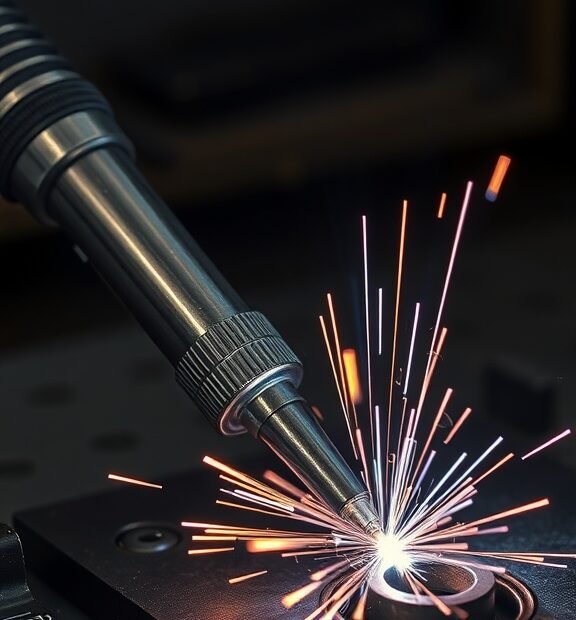
Can a soldering iron weld metal effectively for small projects?
When it comes to small projects, many hobbyists wonder if a soldering iron can effectively weld metal. While soldering and welding might seem similar, they are different processes that require different tools and techniques. Understanding the capabilities and limitations of a soldering iron can help you achieve desired results for your projects.
A soldering iron generates heat to melt a filler metal, typically solder, which then cools to join two workpieces together. The process is mainly used for electronic components and thin metal sheets. On the other hand, welding involves melting the base metals to combine them, often resulting in a stronger bond. Hence, one must consider the specifics of the task at hand to determine if a soldering iron is suitable.
Here are some aspects you should consider:
- Material Type: Soldering is ideal for metals like copper, brass, and aluminum. If you’re working with thicker or more robust materials like steel, welding would be more effective.
- Joint Strength: Soldered joints are generally weaker than welded joints. For small projects where durability is not critical, soldering may suffice.
- Heat Source: The temperature of a soldering iron ranges from 350°F to 700°F (about 180°C to 370°C), which is sufficient for melting solder but not high enough for welding most metals. By understanding this difference, you can avoid joint failures.
- Project Size: For small-scale applications like electronic circuit boards or light metal fittings, a soldering iron is more than adequate. However, for larger pieces or structural elements, consider more robust methods.
One significant advantage of soldering over welding is its ease of use. You don’t need specialized skills or safety gear because soldering is less dangerous than welding. The risks are still present, so safety glasses are recommended, but the equipment is generally more user-friendly.
Another point to consider is the cost. Soldering irons are typically less expensive than welding machines. This cost-effectiveness makes soldering a popular choice for hobbyists and DIY enthusiasts. Whether you’re repairing a circuit board, creating jewelry, or doing light metalwork, a soldering iron can be a valuable tool in your arsenal.
To maximize the effectiveness of your soldering iron, here are some tips:
- Prepare Your Workpieces: Ensure that the surfaces you’re joining are clean and free from rust or oxidation. Proper preparation promotes better adhesion.
- Select Appropriate Solder: Use the right type of solder for your project. Lead-free solders are better for electronics, while solder with a higher melting point might be needed for metalwork.
- Controlling Temperature: Avoid overheating components, as it can lead to damage. Adjust your soldering iron to the appropriate temperature for the materials involved.
- Practice Your Technique: Get comfortable with moving the soldering iron fluidly and evenly across the joint for optimal results. Practice on scrap materials before committing to your primary project.
In specific scenarios, you might encounter instances where soldering can mimic welding. For example, if you’re joining two thin metal pieces where the bond does not require high strength, soldering can be a viable option. Just ensure you choose a solder with adequate bonding strength for your project.
While a soldering iron cannot truly “weld” metal in the same sense as a welding machine, it is perfectly capable of joining metal for small projects that require less strength and durability. By understanding its strengths and weaknesses, you can make an informed decision about whether to use a soldering iron for your next crafting or repair task.
As you consider your project needs, always prioritize your safety and choose the right tools for the job. Whether it’s soldering or welding, understanding your materials and methods will lead to successful results!
The differences between soldering and welding: Understanding the techniques
Soldering and welding are two essential techniques in metalworking, but they serve different purposes and involve distinct processes. Understanding the differences between these two methods will help you decide which one to use for your specific project.
Soldering is primarily used for joining metal components at relatively low temperatures. This technique typically employs a soldering iron or a soldering gun, using a filler metal called solder, which has a lower melting point than that of the base metals being joined. The solder melts when heated and then cools to form a solid bond. Soldering is commonly used in electronics to connect components on circuit boards and in plumbing to join pipes.
On the other hand, welding involves melting the base materials together, usually with the help of a welding rod or filler material, to create a strong bond. This process requires significantly higher temperatures, typically exceeding 1,000 degrees Celsius (1,832 degrees Fahrenheit). Welding is often used in construction and manufacturing for heavy-duty applications, such as in the creation of structures like beams and frameworks.
Here are some key differences between soldering and welding:
- Temperature: Soldering occurs at lower temperatures, generally below 450 degrees Celsius (842 degrees Fahrenheit), while welding operates at much higher temperatures.
- Materials: Soldering is used mainly with metals like copper and gold and often applies to electronic components. Welding, however, works well with various metals, including steel, aluminum, and titanium.
- Strength of Bond: Welds create a stronger, more durable bond since the base metals melt and fuse together. Soldering creates a less robust bond, typically suitable for lighter applications.
- Skill Level: While both soldering and welding require skill, soldering is generally easier and more accessible for beginners, especially in electronics. Welding requires more training to master the techniques and safely handle the equipment.
- Equipment: For soldering, you need basic tools like a soldering iron, solder wire, and a sponge for cleaning the iron tip. Welding requires more complex equipment, such as welding machines, protective gear, and sometimes gas tanks, depending on the type of welding being performed.
The applications of soldering and welding also differ significantly. In electronics, soldering is indispensable for assembling circuits and ensuring reliable connections. In contrast, welding is the backbone of construction, providing strength and durability in the assembly of metal frameworks that support buildings and bridges.
Each technique has its advantages and disadvantages, depending on the material and application. Soldering is excellent for creating electrical connections and is often preferred because it’s quicker and less expensive. However, if you’re working on projects that require structural integrity, welding is the better option, providing a bond that can withstand significant stresses.
Moreover, when considering safety, soldering typically poses fewer risks than welding. Soldering involves lower temperatures, and while it can have its own hazards, especially with lead-based solders, it does not necessitate the same level of protective gear as welding. Welding can be hazardous due to the intense heat, sparks, and harmful fumes produced during the process, making it essential to wear proper PPE (personal protective equipment).
Your choice between soldering and welding will ultimately depend on the nature of your project. If you need precise electrical connections or are working with delicate components, soldering is the way to go. If you’re tasked with constructing a sturdy metal structure, you’ll want to opt for welding.
Ultimately, both soldering and welding are vital skills in the realm of metalworking, each with its unique advantages. Knowing how to use them appropriately makes a significant difference in the quality and durability of your projects.
Conclusion
If you’re working on small projects and are wondering whether a soldering iron can effectively weld metal, the answer largely depends on the specific materials and the types of joints you need to create. Soldering irons are mainly designed for joining electronic components and smaller metal pieces using solder, which has a lower melting point than most metals. For small-scale applications like circuit boards or delicate repairs, a soldering iron can be an excellent tool. However, it is not a substitute for welding, especially when it comes to creating strong, permanent bonds in larger metal structures.
Understanding the key differences between soldering and welding is essential in making the right choice for your project. While soldering involves melting solder to bond metals together, welding fuses the metals themselves using high heat. This results in far stronger bonds suitable for fabrication or structural work. If you’re aiming for durability and strength in your projects, traditional welding methods may be more appropriate, especially for thicker materials or load-bearing applications.
Ultimately, if your goal is to create small, detailed connections or repairs, a soldering iron is a practical tool. However, for projects that require more robust joints, investing in a welder may be the best course of action. Assess your project needs carefully, and choose the method that aligns best with the results you want to achieve. Whether you’re soldering or welding, having the right technique and tools makes all the difference in the quality of your work.