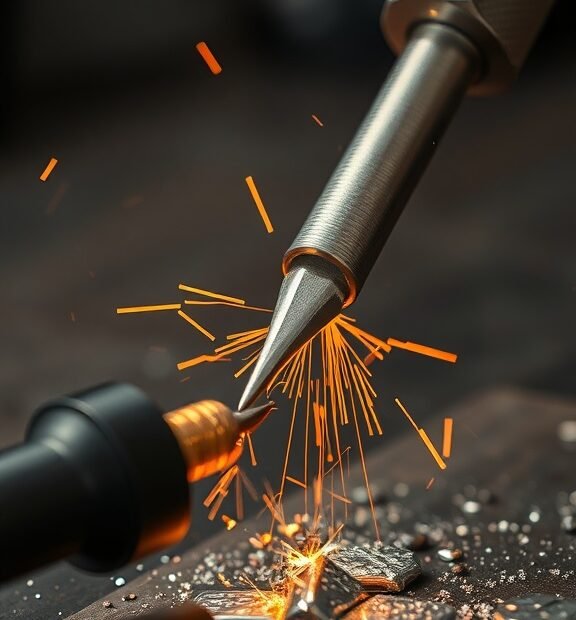
Can a soldering iron melt silver: Understanding the melting point and techniques
Understanding whether a soldering iron can melt silver is essential for hobbyists and professionals alike. You might be curious if this commonly used tool can sufficiently heat silver to its melting point. Let’s delve into the details surrounding this topic, including the melting point of silver, the capabilities of a soldering iron, and techniques to consider when working with silver.
Melting Point of Silver
Silver has a melting point of approximately 1,763°F (961.8°C). This is a crucial figure to know because it informs you about the level of heat necessary for melting silver. In comparison to other metals, silver has a relatively low melting point, making it suitable for various applications, including jewelry crafting and electronics.
Capabilities of a Soldering Iron
A soldering iron is primarily designed for joining electronic components, usually capable of reaching temperatures between 350°F (180°C) and 1,000°F (538°C) depending on the model. This range means that while soldering irons can handle softer materials like solder, they typically fall short when it comes to melting silver.
Here’s a quick breakdown of what you should know about soldering irons:
- Types: There are different types of soldering irons, such as temperature-controlled, cordless, and plug-in models. Temperature-controlled models can reach higher temperatures, but still often don’t exceed the necessary threshold for melting silver.
- Heat Source: Soldering irons primarily use electrical heating elements. Due to design limitations, they often cannot maintain the steady, extreme heat required to melt silver.
- Application: Typically, soldering irons are used for electronics and delicate work. Attempting to melt silver may damage the soldering iron or result in inconsistent heat application.
Techniques for Melting Silver
If you’re looking to melt silver, it’s crucial to use the right tools and techniques to achieve your goal effectively. Here are some options to consider:
- Using a Torch: A propane torch is often the best choice for melting silver. These torches can reach temperatures significantly higher than those of a soldering iron, making them suitable for silver.
- Electric Melters: Many jewelers use electric melters specifically designed for small metal items. These units maintain a consistent temperature and are capable of melting silver safely.
- Furnaces: For larger silver melting projects, consider using a small furnace. This method can provide even temperatures and is less likely to cause oxidation or impurities.
Working with Silver Safely
When melting silver, safety should be your primary concern. Here are some essential safety tips:
- Personal Protective Equipment (PPE): Always wear safety goggles, gloves, and a face shield to protect yourself from sparks and splashes.
- Proper Ventilation: Work in a well-ventilated area to avoid inhaling fumes.
- Fire Safety: Keep a fire extinguisher nearby, especially when working with open flames.
With the proper tools and techniques, melting silver can be a rewarding process. While a soldering iron may not be suitable for this particular task due to its limited heating capability, there are many effective alternatives that will get the job done. By understanding the melting point of silver and employing safer methods to achieve those temperatures, you can engage in various silver projects with confidence.
If you plan on working with silver, it’s important to choose the right equipment. Soldering irons fall short when it comes to melting silver, but with a propane torch, electric melter, or furnace, you can easily melt silver and explore countless creative possibilities. Happy crafting!
Comparing soldering irons and torches: Which is better for metalworking?
When it comes to metalworking, the tools you use can significantly affect the quality of your projects. Two popular options for joining metal pieces are soldering irons and torches. But which is better for your needs? Let’s explore the advantages and disadvantages of each to help you make an informed decision.
Understanding Soldering Irons
Soldering irons are electric tools designed for melting solder, which is a metal alloy used to join two metal surfaces together. They are commonly used in electronics and delicate metalwork due to their ease of use and precision. Here are some key points about soldering irons:
- Temperature Control: Soldering irons come with adjustable temperature settings, allowing you to work at lower temperatures suitable for sensitive components.
- Ease of Use: They are user-friendly, making them a good choice for beginners.
- Portability: Most soldering irons are lightweight and easy to handle, allowing you to work in various locations without much hassle.
- Specific Applications: Ideal for electronics and small metal parts that require precise work.
However, soldering irons do have limitations. The maximum temperature usually hovers around 400°C (752°F), which may not suffice for joining thicker or more robust materials. Therefore, if you’re working with larger projects or tougher metals, a soldering iron might fall short.
Exploring Torches
A torch, particularly an oxy-acetylene torch, operates using a gas flame to melt and fuse metal pieces together. This tool is often favored in welding and metalworking realms for its higher heat output. Here are the standout features of using a torch:
- Higher Temperatures: Torches can reach temperatures over 1,500°C (2,732°F), making them suitable for a wide range of metals including steel and aluminum.
- Versatility: They can be used for soldering, welding, brazing, and even cutting metals, providing a more comprehensive tool for various projects.
- Efficiency: For larger projects that require extensive metal joining, torches can help speed up the process.
On the downside, working with torches requires more skill and safety precautions. The intense heat can pose hazards, and without proper handling, you risk damaging materials or injuring yourself. Additionally, torches tend to be more cumbersome compared to soldering irons, making them less convenient for small or delicate work.
Comparing the Two
To determine which tool is better for your metalworking needs, let’s look at the factors that matter most:
- Material Type: If you are primarily working with thin wires or small electronic components, a soldering iron is your best bet. For thicker materials or larger projects, a torch will likely be more effective.
- Skill Level: If you are a beginner, starting with a soldering iron may help you ease into metalworking without overwhelming yourself. Torches may require additional training.
- Project Size: For small projects, a soldering iron is perfect due to its portability and ease of use. Conversely, larger metalwork or repairs often call for a torch for efficiency and power.
- Safety Considerations: Soldering irons are generally safer for home use, while torches necessitate strict adherence to safety practices. Make sure you are comfortable handling flames and understand the risks.
Cost Efficiency
When it comes to price, soldering irons are usually less expensive than torches. If you’re looking for an accessible entry-level tool, soldering irons can be found at reasonable prices. Torches, on the other hand, can carry a heftier price tag due to their complexity and the additional costs of gas refills.
In the end, both soldering irons and torches have their place in the metalworking toolkit. Your decision should depend on the type of metalwork you plan to undertake, your skill level, and safety considerations. Understanding the differences between these tools will help you choose the right one for your projects, ensuring quality results every time.
Conclusion
When exploring whether a soldering iron can melt silver, it’s essential to understand both the melting point of silver and the capabilities of soldering irons. Silver has a melting point of about 1,763 degrees Fahrenheit. Standard soldering irons, which typically operate around 350 to 900 degrees Fahrenheit, may not reach the necessary temperatures for melting silver effectively.
While soldering irons have their place in smaller electronics projects and delicate tasks, they are not optimized for jewelry making or extensive metalworking, especially when dealing with silver and other noble metals. On the other hand, using a torch provides a higher degree of heat control, making it the suitable choice for melting silver. The flame from a torch not only reaches the required temperatures quickly but also allows for better manipulation of heat across different areas of the metal.
If you’re considering working with silver, investing in a propane or butane torch is advisable. It offers versatility, precision, and the necessary heat to work efficiently with silver. Whether you’re crafting jewelry or repairing silverware, the right tools can make all the difference. By understanding your project’s requirements and choosing the proper technique and tools, you can achieve successful results in your metalworking endeavors. So, while a soldering iron has its uses, it’s clear that for melting silver, turning to a torch is the smarter choice. You’ll end up with superior quality and craftsmanship in your silver projects.