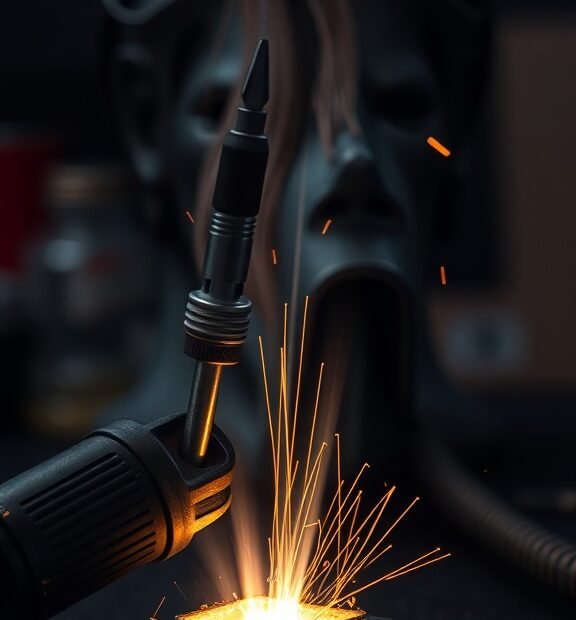
Can a Soldering Iron Melt Plastic: Exploring the Possibilities and Risks
Many hobbyists and professionals alike are drawn to soldering irons for their versatility, often wondering if these handy tools can also melt plastic. It’s a legitimate question, and the answer isn’t as straightforward as you might think. Let’s explore the possibilities and risks associated with using a soldering iron to melt plastic and understand the factors involved in this process.
Understanding Soldering Irons
Soldering irons are primarily designed to join metal parts together through heating and melting solder. They typically reach temperatures between 350°F to 800°F (about 180°C to 430°C). Given that most common plastics melt at temperatures ranging from 250°F to 500°F (approximately 120°C to 260°C), a soldering iron can indeed melt plastic. However, this capability comes with precautions and considerations.
Types of Plastics and Their Melting Points
Not all plastics are created equal, and their melting points can vary significantly. Here are a few examples:
- Polyethylene (PE): Melts at around 230°F (110°C)
- Polypropylene (PP): Melts at around 320°F (160°C)
- Polyvinyl Chloride (PVC): Melts around 350°F (175°C)
- Acrylic (PMMA): Melts around 320°F (160°C)
- ABS Plastic: Melts around 220°F (105°C)
With these melting points in mind, you can see just how a soldering iron could potentially affect various types of plastic.
Risks of Melting Plastic with a Soldering Iron
While you can use a soldering iron to melt plastic, it’s essential to be aware of several risks involved:
- Toxic Fumes: Many plastics release harmful fumes when heated. Using a soldering iron indoors without proper ventilation can pose serious health risks. Always work in a well-ventilated area and consider using a mask to protect yourself.
- Burns and Accidents: The temperature of a soldering iron can easily cause burns or accidents if not handled carefully. Always exercise caution and keep the tool away from flammable materials.
- Unpredictable Results: Soldering irons are not designed for melting plastic, which means achieving consistent results can be challenging. You may end up with uneven melting or even damage to the plastic component.
Best Practices for Melting Plastic Safely
If you choose to proceed with melting plastic using a soldering iron, follow these guidelines to minimize risks:
- Test a Small Area: Before fully melting the plastic, test on a small, inconspicuous area to gauge how the material will respond.
- Maintain Distance: Keep the soldering iron tip at a safe distance to control the melting process. You don’t need to press it directly against the plastic.
- Control Temperature: If your soldering iron has adjustable heat settings, start at a lower temperature and gradually increase if needed.
- Ventilation and Safety Gear: Always work in a well-ventilated area and consider wearing protective eyewear and a mask to guard against fumes.
Alternative Methods for Melting Plastic
If you find that a soldering iron isn’t the best fit for your plastic melting needs, consider using alternative methods:
- Heat Gun: A heat gun provides more controlled heating and is generally safer for melting plastics.
- Oven Method: For larger plastic pieces, placing them in a preheated oven can ensure even melting.
- Hot Water: Soaking certain plastics in hot water can soften them without the risks associated with direct heating.
Understanding whether a soldering iron can melt plastic involves recognizing both its capabilities and its dangers. While melting plastic with this tool is possible, being aware of the risks and adhering to safety measures is crucial for a successful project. Ultimately, it’s about finding the right approach for your specific needs and ensuring a safe working environment.
Safe Techniques for Using a Soldering Iron with Plastic Materials
Using a soldering iron with plastic materials can be an intriguing yet challenging task. Many wonder if a soldering iron can effectively melt plastic, as it’s often necessary for a range of creative projects. In this guide, we will look at safe techniques for using a soldering iron with plastic, helping you to achieve your project goals while minimizing risks.
The first step in safely using your soldering iron with plastic is understanding the types of plastic you may encounter. Different plastics have varying melting points, so knowing this will help prevent damaging the material. Common types of plastic that you might work with include:
- Polyethylene (PE) – Melting point around 120-180°C (248-356°F)
- Polyvinyl Chloride (PVC) – Melting point approximately 75-105°C (167-221°F)
- Polystyrene (PS) – Melting point about 240°C (464°F)
- Acrylonitrile Butadiene Styrene (ABS) – Melting point between 210-260°C (410-500°F)
Knowing the melting point of each type can guide your soldering iron temperature settings. It ensures that you don’t accidentally overheat and damage the plastic. Always check the manufacturer’s specifications for the particular plastic you’re working with.
Before you start, it’s essential to prepare your workspace. Here’s how you can set up:
- Choose a well-ventilated area to work in, as plastics can release harmful fumes when heated.
- Wear protective gloves to shield your hands from burns or hot materials.
- Use safety goggles to protect your eyes from any splashes of melted plastic.
- Keep a fire extinguisher nearby, just in case of emergencies.
Once your workspace is safe, it’s time to select the correct soldering iron and set it up for your project. A soldering iron with a fine tip is generally more suitable for plastic work. This allows for precision application, minimizing the risk of excessive heat affecting surrounding areas. Here are steps to safely use your soldering iron:
- Set the Right Temperature: Adjust the temperature to match the material’s melting point while ensuring you don’t exceed it.
- Test on Scrap Material: Before applying the soldering iron to your project, test it on a piece of scrap plastic to better understand how it reacts.
- Angle the Soldering Iron: When making repairs or connections, angle the soldering iron and apply it with a gentle touch. This helps control the amount of heat applied.
- Use a Steady Hand: Maintain a steady hand as you work, ensuring accuracy and reducing the risk of unwanted melting.
Another important consideration is the application technique you will use during your project. You can either use the soldering iron to join plastics by melting them together or use it to create designs. If you’re joining pieces, gently press the soldering iron against the edges, allowing them to melt slightly before pressing them together. For design work, you may want to use the soldering iron to etch or carve patterns into the plastic surface.
After your work is complete, it’s crucial to let the plastic cool down properly before handling it. Allowing sufficient cooling time improves the integrity of the bond or design you’ve created. Furthermore, after using your soldering iron, always remember to clean the tip. This prevents any residue from affecting future projects.
Using a soldering iron with plastic can yield fantastic results when done safely. By understanding the properties of the plastic, preparing your workspace effectively, and employing careful techniques, you can create or repair plastic materials with confidence. With practice and caution, you will find that combining a soldering iron and plastic can be a rewarding venture in your DIY projects.
Conclusion
Understanding whether a soldering iron can melt plastic reveals both possibilities and risks that every maker or DIY enthusiast should consider. While it is indeed possible for a soldering iron to melt various types of plastic, careful attention and proper techniques are essential to ensure both safety and effectiveness in your projects.
Using a soldering iron with plastic can lead to unintended consequences, such as damaging the material or releasing harmful fumes. Therefore, employing safe techniques—like adjusting the temperature of the iron, choosing the right type of plastic, and using proper ventilation—are paramount in achieving the desired results while minimizing hazards. Always start with a lower heat setting and test on scrap material first to gauge how the specific plastic reacts.
Moreover, protective gear such as gloves and masks can further enhance safety when working with potentially harmful emissions during the melting process. For those new to soldering, consider seeking out tutorials or expert advice to build confidence before diving into more complex projects.
Ultimately, whether you’re repairing a plastic component or crafting something new, the right knowledge and preparation can lead to successful outcomes. By being mindful of the techniques and risks associated with using a soldering iron on plastic, you’ll not only achieve better results but also enjoy a safer crafting experience. Embrace the creativity soldering can offer, while always putting safety first!