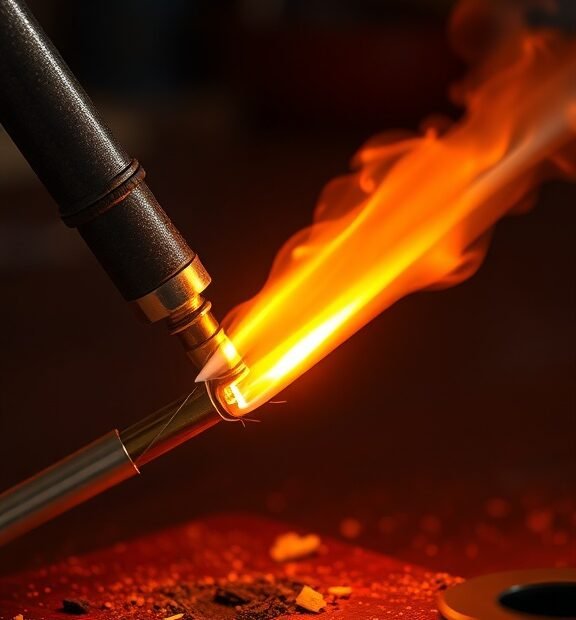
The Impact of Temperature on Soldering: Can a Soldering Iron Be Too Hot?
Soldering is a crucial skill for electronics, plumbing, and metalwork. One common question that arises among beginners and experienced users alike is: can a soldering iron be too hot? Understanding the impact of temperature on soldering performance is vital for producing reliable, effective solder joints.
To start, let’s explore what temperature affects when you’re soldering. The main purpose of heat in soldering is to melt the solder, which is a metal alloy. However, the temperature you set your soldering iron greatly influences the quality of your work. A temperature that’s too high or too low can lead to problems.
You might wonder, what exactly does “too hot” mean? Here are some potential issues that arise if your soldering iron is overheated:
Soldering Iron Kits & Accessories
- Component Damage: Many electronic components, like capacitors and integrated circuits, can be sensitive to excess heat. An overheated soldering iron can damage these components, leading to failures.
- Fire Hazard: High temperatures can ignite flammable materials or create burns on your work surface. It’s important to manage the heat properly to prevent accidents.
- Cold Solder Joints: Overheating can burn the solder, causing it to lose its chemical properties. This can lead to poor adhesion and cold solder joints, which are unreliable and can result in circuit failure.
- Oxidation: Excessive heat can oxidize the solder and components, which diminishes conductivity and affects the joint’s integrity.
Now, let’s look at what the right temperature is. For most electronics work, a soldering temperature between 350°C (662°F) and 400°C (752°F) is ideal. This range helps you effectively melt the solder without risking damage to sensitive components:
- Type of Solder: Lead-based solders typically require lower temperatures than lead-free options. If you are using lead-free solder, aim for the higher end of the temperature range.
- Tips and Attachments: Different soldering iron tips can influence heat levels. A finer tip heats quicker and can require lower temperatures. A broader tip retains more heat but might need higher settings.
- Heat Settings: Many soldering stations give precise controls over temperature. This feature can help you adjust heat according to your specific tasks, ensuring you maintain appropriate levels.
Besides, maintaining your soldering iron can help keep the temperature in check. Here are some best practices:
Soldering Iron Kits & Accessories
- Always keep your soldering tip clean. A dirty tip can cause uneven heating and lower performance.
- Use the right amount of solder. Too much can cause splatter, while too little can lead to cold joints.
- Allow your iron to reach the desired temperature before starting work. Patience can prevent overheating and improve results.
The environment where you work also plays a role in temperature management. Make sure your workspace is well-ventilated and free of clutter. This setup not only makes your soldering safer but also reduces the risk of distractions that might lead to errors in heat application.
Another factor to consider is time. The longer you apply heat, the greater the risk of overheating components, no matter the iron’s temperature setting. Try to work quickly but carefully to avoid damaging sensitive parts. A good approach is to practice soldering with a multimeter handy, so you can frequently test the joints you create.
Soldering Iron Kits & Accessories
Your choice of solder and the components you work with should guide you on temperature settings. Learning to recognize when a soldering iron is too hot is crucial for success. As your skills improve, observing how different materials react to heat will refine your technique even further, leading to better soldering results.
While a soldering iron can certainly be too hot, understanding how to wield that heat effectively is key to creating strong, reliable joints. By doing so, you’ll enhance your skills and produce results that not only meet but exceed your expectations.
Choosing the Right Soldering Iron Temperature for Different Materials
Soldering is an essential technique in electronics, allowing you to connect components securely. However, one of the most critical aspects to consider is the temperature of your soldering iron. Choosing the right soldering iron temperature can make a significant difference in your project’s success. Here, we discuss how to determine the ideal temperature for different materials to ensure effective soldering.
Soldering Iron Kits & Accessories
Using a soldering iron that is too hot can lead to various issues. It can damage sensitive components, burn insulation, and even lead to cold solder joints. Conversely, using a temperature that is too low may fail to melt the solder adequately, leaving you with unreliable connections. Understanding the properties of the materials you’re working with will help you select the proper temperature for your soldering iron.
Common Materials and Their Ideal Temperatures
- Copper: When soldering copper wire, the ideal temperature ranges from 350°C to 400°C (662°F to 752°F). Copper heats up quickly, so this range allows for effective soldering without risking damage.
- Steel: For steel components, you’ll want to work at a higher temperature, usually around 400°C to 450°C (752°F to 842°F). Steel requires more heat to properly melt the solder due to its higher thermal conductivity.
- Aluminum: Aluminum is a trickier material that necessitates a higher soldering temperature. The ideal range is between 400°C and 480°C (752°F to 896°F), as aluminum dissipates heat rapidly.
- PCB Boards: Printed circuit boards (PCBs) are sensitive to heat. The optimal temperature for soldering components onto PCBs is about 260°C to 320°C (500°F to 608°F). This lower temperature helps prevent damage to the board itself.
- Lead-free Solder: If you are using lead-free solder, aim for a temperature between 350°C to 400°C (662°F to 752°F). Since lead-free solder typically has a higher melting point than traditional solder, using the right temperature ensures efficient flow.
Factors Affecting Temperature Selection
Aside from the type of material, several factors can influence the optimal temperature for your soldering iron:
Soldering Iron Kits & Accessories
- Joint Size: Smaller joints generally require lower temperatures because they heat up quickly. Larger joints may need higher temperatures to ensure complete melting of the solder.
- Component Type: Some components are more heat-sensitive than others. For instance, certain capacitors can be damaged if exposed to high heat for extended periods, so a lower soldering temperature is advisable.
- Ambient Conditions: The environment in which you’re soldering can also affect temperature control. High humidity or low airflow may affect how heat dissipates when soldering.
- Solder Type: The composition of the solder you use, whether it’s lead-based or lead-free, will determine its melting point. Be sure to adjust your iron’s temperature accordingly.
Best Practices for Soldering
To achieve the best results while soldering, here are some practices to keep in mind:
- Pre-tinning: Before applying solder, pre-tinning the wires or joints can create a better interface and reduce the required soldering temperature and time.
- Use the Right Tip: Different soldering tips can affect how heat is transferred. Choose the appropriate tip size and shape for your specific task.
- Practice Temperature Control: Continuous adjustments may be necessary as you work with varying materials and components. Maintain awareness of your soldering iron’s temperature to prevent overheating or underheating.
- Test Connections: After soldering, ensure you test your connections using a multimeter to catch any potential issues early.
Choosing the right soldering iron temperature is crucial for achieving quality, reliable connections. By paying attention to the materials you’re working with and practicing good soldering habits, you can ensure your electronic projects are successful and durable. Always remember to tailor your settings based on the specific conditions of the task at hand for the best outcomes.
Conclusion
Understanding the impact of temperature on soldering is crucial for achieving optimal results. A soldering iron that is too hot can lead to damaging essential components and create cold joints, which compromise the integrity of your connections. It’s clear that not all tasks require the same heat level; different materials respond differently to soldering. For instance, delicate components may require a lower temperature to avoid overheating, while robust metals can withstand higher heat, promoting better adhesion.
Soldering Iron Kits & Accessories
Choosing the right soldering iron temperature is not just about achieving a bond; it’s about preserving the life and functionality of your components. Adjusting the temperature based on the type of material you’re working with is key to successful soldering. Always consider the manufacturer’s recommendations and experiment within safe temperature ranges to find what works best for your specific projects.
The right approach fosters not only efficiency but also ensures the longevity of your work. Sound judgment and careful temperature management will make your soldering tasks more effective and yield better results. Remember, striking a balance is essential; the goal is to melt the solder and create strong connections without damaging what you are working on. Prioritize quality over speed, and always be mindful of your soldering iron’s heat to enhance both your craftsmanship and the durability of your results.